Paraguay Meat Guide: How to Use Every Cut
⚡Key Takeaways
- Paraguay is strongly shaped by meat culture: beef, pork, mutton/lamb, and chicken are central protein sources in everyday life and at celebrations.
- Meat terminology is bilingual: in Guaraní, meat in general is called “so'o,” beef “vaka,” pork “kure,” chicken “ryguasu,” and sheep “ovecha”.
- Typical Paraguayan dishes show the connection between language and cuisine, such as Chipa so'o, So'o josopy (Soyo), and Puchéro.
- Traditional preparation methods include grilling, boiling, chopping, frying, and mixing different ingredients; commonly used tools include a mortar (Mortero), iron pot (Olla de hierro), and wooden tray (Batea de madera).
- Beef is considered the most important type of meat in Paraguay, while Mennonite and German-speaking influences have particularly shaped pig farming and sausage production in the Chaco.
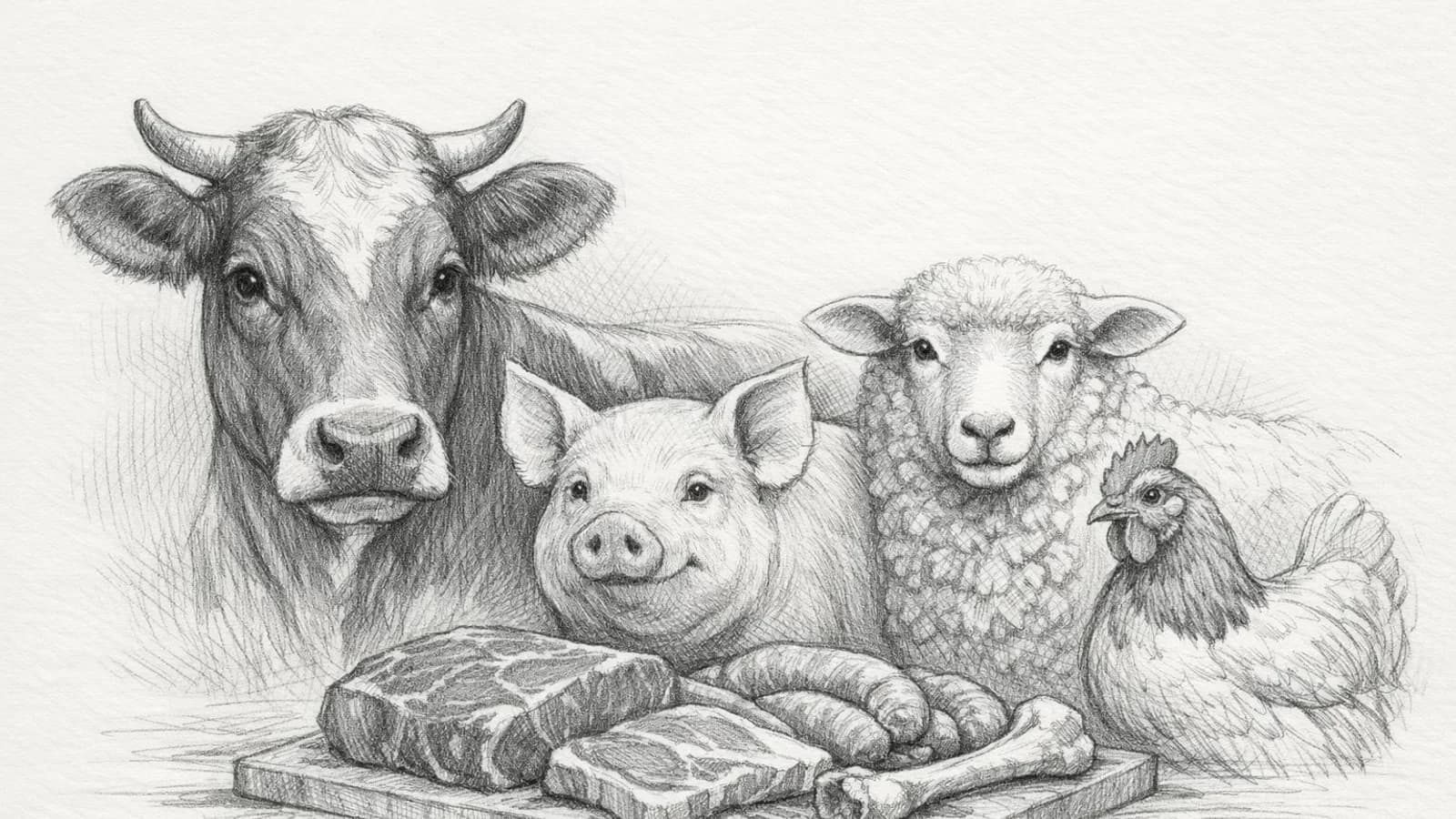
Paraguay is the land of meat eaters. But which parts of an animal are best used, and how are they called by Paraguayans? These and other questions are answered in Gemini’s research report. It takes a closer look at beef, pork, lamb / mutton, and chicken.
📚 Deep Research — Source Text
Comprehensive Research Report on Meat Culture in Paraguay: Linguistic Nomenclature, Culinary Arts, and Nutritional Physiology
Introduction: The Socioeconomic and Cultural Dimension of Animal Protein in Paraguay
The gastronomic, economic, and cultural identity of the Republic of Paraguay is fundamentally linked to the production, processing, and consumption of meat. Historically, geographically, and climatically, animal proteins play an irreplaceable role in the daily diet as well as in the ritual and festive gatherings of the Paraguayan population. The expansive subtropical pasturelands of the Paraguayan Chaco and the fertile soils of the Eastern Region provide ideal topographical conditions for extensive cattle ranching. This agricultural reality not only supplies the growing domestic market with a diversified range of meat products, but also positions Paraguay as one of the most relevant beef exporters in the global marketplace.
A profound and nuanced understanding of Paraguayan meat culture necessarily requires a multidimensional and interdisciplinary approach. At the center of this analysis lies the nation’s unique linguistic dichotomy. The coexistence and constant interaction between the official Spanish language and the indigenous language Guaraní shape the nomenclature of meat types, anatomical cuts, and specific preparation methods in a way unmatched elsewhere in Latin America. Equally essential is the detailed examination of culinary traditions in which autochthonous, pre-Columbian cooking techniques and ingredients—especially cassava and corn—merge with the culinary practices of the Spanish conquistadors, Jesuit missionaries, and later waves of European immigration. German-speaking and Mennonite communities that settled in the Paraguayan Chaco exerted a particularly strong influence, especially revolutionizing pig farming and the art of sausage making.
Ultimately, the modern nutritional assessment of the different types of meat consumed in Paraguay provides essential data on the health implications of these deeply rooted dietary habits. Increasing scientific attention is being paid to the significant health difference between traditional production methods, such as extensive pasture-raised cattle and free-range poultry, in contrast to industrial intensive livestock farming. This report exhaustively analyzes these dimensions and offers a detailed overview of beef, pork, lamb, and poultry in the Paraguayan context.
Linguistic Anthropology: Animal Species and Meat in the Symbiosis of Guaraní and Paraguayan Spanish
Everyday speech in Paraguay is characterized by a fluid transition between Spanish and Guaraní, a phenomenon that is especially evident in the nomenclature of gastronomy and agriculture. The generic and historically deeply rooted term for meat in Guaraní is so'o. In the pre-Columbian era, this term referred primarily to the meat of hunted game, as large domesticated livestock such as cattle, pigs, or sheep were completely unknown on the South American continent. With European colonization and the introduction of cattle ranching by the Spanish, the Guaraní vocabulary had to adapt organically to the new agricultural realities.
The terms for the primary animal protein sources clearly illustrate this process of linguistic appropriation and phonetic adaptation. Cattle are called vaka in Guaraní, a direct phonetic borrowing from the Spanish word “vaca,” and it is often used synonymously with tapi'i guasu, a term describing large milk-producing mammals. The pig is called kure, while poultry, especially the domesticated chicken or hen, is referred to as ryguasu. Sheep, also an animal introduced by Europeans, is called ovecha in Guaraní, again a clear linguistic derivation of the Spanish “oveja.”
The term so'o often functions in Paraguayan nomenclature as a suffix or prefix to indicate the presence of meat in traditional dishes. A prominent example is Chipa so'o, a traditional cornmeal structure stuffed with beef or chicken, served as a nourishing snack or main meal. Another essential dish is So'o josopy (often shortened to Soyo), a thick, highly nourishing meat soup. The name literally translates as “crushed meat,” referring to the traditional preparation method in which the meat is pounded in a mortar before being mixed with cold water and then heated to create an emulsion. The Guaraní dictionary also records terms such as Puchéro, which specifically describes a hearty soup made from bone-rich meat.
However, the vocabulary of Paraguayan cuisine is not limited to the nomenclature of ingredients, but includes a broad range of verbs and utensils that precisely describe the physical handling of food. Traditional tools still used today in rural and urban kitchens include the Olla de hierro (the heavy iron pot essential for even heat distribution in braised dishes), the Batea de madera (a large wooden trough for kneading dough), and the Mortero (the mortar for spices and meat). Preparation techniques are characterized by specific verbs such as asar (grilling over an open fire), desmenuzar (finely breaking up or shredding meat fibers, often used with long-cooked poultry or pork), sancochar (gently simmering or parboiling meat pieces to loosen connective tissue), cascar (cracking, often bones to extract marrow), freír (frying), and entreverar (carefully mixing different ingredients or types of meat). This rich linguistic grammar bears witness to a highly elaborated culinary tradition kept alive to this day by Paraguay’s bilingual everyday life.
Beef (Vaka / So'o Vacuno): The Unrivaled Cornerstone of the National Diet
Beef is by far the most important animal protein source in Paraguay and forms the absolute center of the nation’s meat culture. The classification of cuts, referred to in Paraguayan Spanish as Cortes, differs in fine but crucial ways from the cuts used in neighboring countries such as Argentina or Uruguay, even though broad structural similarities and equivalences exist.
Anatomical Nomenclature and Specific Cuts
The Paraguayan butchery tradition distinguishes with great precision between cuts suitable for the extreme temperatures of the traditional grill (Parrilla), for slow, moist braising processes (Estofados and Guisos), or for quick everyday cooking (Bifes and Milanesas).
The king of the Paraguayan parrilla is unquestionably the Asado en Tira (also called Costilla de tira). This is cross-cut rib strips with a significant bone content. It is precisely this bone that releases enormous amounts of aroma and gelatin during roasting over charcoal, contributing massively to the meat’s characteristic intense flavor and unparalleled juiciness. A classic accompaniment to ribs on the grill is Vacío. This cut comes from the cattle’s side belly region, located between the rear ribs and the hip. Vacío is typically prepared as a whole piece and is characterized by pronounced intramuscular fat. A fundamental culinary rule in Paraguay states that the fat layer surrounding the vacío must under no circumstances be removed before grilling, as it acts as a natural barrier that traps moisture inside the meat and counters the threat of toughness.
Another highly valued cut for lovers of an exquisite asado is Tapa Cuadril, internationally known as picanha. This cut is located in the lower transverse part of the hindquarter. Tapa Cuadril has a thick, distinctive fat cap (cobertura de grasa) that, when melted over the embers, delivers outstanding texture and juiciness. To preserve the tenderness of the muscle fibers after roasting, this cut must be sliced transversely, that is, against the natural grain of the muscle.
For fine dining and especially tender preparations, Lomo or Lomito (loin or filet mignon) is preferred. Located in the lightly used dorsal back region of the cattle, this cut is exceptionally lean and contains almost no connective tissue. Due to its fine texture and high price, it is sold mainly as a whole piece and used for gourmet preparations such as Lomito a la pimienta (pepper steak), with mushroom sauces, or the classic Chateaubriand. Similarly lean, but with a completely different muscle structure, is Peceto (eye of round or silverside). It is an extremely low-fat, cylindrical cut from the outer hind leg region (Nalga externa). Unlike marbled cuts, Peceto is almost exclusively bought and prepared as a whole piece.
Everyday Paraguayan cooking relies on cuts such as Carnaza negra (nalga) and Bola de lomo. These are high-quality, muscular cuts from the hindquarter, with round shapes and clearly defined grain. They generally need to be mechanically tenderized (tiernizada) before being used for thin pan-fried steaks (Bifes) or the ubiquitous breaded and fried Milanesas. For long braised dishes requiring connective tissue breakdown, cooks turn to Carnaza blanca (nalga de afuera) and Paleta (shoulder).
Bone-rich cuts play a central role in Paraguay’s soup-based cuisine. Here, a strict distinction is made between Puchero and Osobuco. While puchero in Paraguayan butcher shops refers to a conglomerate of various meaty bone pieces for simple everyday broths, osobuco refers specifically to the cross-cut leg bone, which contains highly aromatic marrow in its center, called Caracú in local usage.
In addition, Paraguayan cuisine values its offal (Menudencias). Lengua (tongue) is often marinated after a long tissue-softening cook and served cold with vinaigrette or briefly grilled afterward. Mondongo (tripe or stomach) also requires extensive pre-cooking before appearing in hearty casseroles, stews, or even—in a particularly creative variation—as a breaded milanesa. Oxtail (Rabo) is ideal for strong, collagen-rich broths, while kidneys (Riñón) are preferably cut into small pieces, quickly seared, and deglazed with sherry (Riñoncitos al Jerez). Other common Paraguayan cuts include entrañita (diaphragm, excellent for quick grilling), aguja (neck for stews), marucha (for oven dishes), chingolo, pecho (brisket), and garrón (shank, perfect for rice stews).
Culinary Traditions and Beef Preparation Methods
The transformation of these anatomical segments into dishes reveals the soul of Paraguayan culture. Asado is far more than a cooking method; it is a deeply rooted social ritual that strengthens family and friendship bonds. But alongside open-fire cooking, Asado a la olla (pot-roasting) has established itself as one of the country’s most essential, economical, and characteristic techniques.
Asado a la olla is traditionally prepared in a heavy cast-iron pot (Olla de hierro) on a charcoal brazier or alternatively on a gas stove. The popularity of this method stems from its ability to transform even tougher or fattier cuts such as beef ribs (Costilla de tira) or brisket (Falda parrillera) into melt-in-the-mouth delicacies. The physical and chemical process begins by searing the portioned meat pieces in hot olive oil or in their own rendered beef fat. Through the Maillard reaction, a deep golden-brown, highly aromatic crust is formed on the meat’s surface. After this initial roasting, water is added in successive steps and allowed to evaporate completely each time. During these evaporation phases, aromatic components such as crushed garlic and finely diced scallions (cebollitas de verdeo) are added to the pot. An absolutely critical element that gives this dish its unmistakable Paraguayan identity is the final addition of pronounced acidity. This comes in the form of fresh lemon juice, lemon zest, or—especially traditionally in the preparation of falda—bitter orange juice (Naranja agria). This acidity cuts through the rich, melted beef fat, balances the flavor profile, and helps further break down the muscle fibers until the meat is extremely tender and has a deep, lacquer-like glaze.
Another rustic national dish is Bife Koygua, a dense, hearty beef stew. The term Koygua comes from Guaraní and can best be translated as “hidden,” “secret,” or “shy.” This nomenclature is highly descriptive of the dish’s structure: the pan-seared beef slices are “hidden” under a massive, thick layer of braised onions, tomatoes, and parsley. Toward the end of cooking, whole eggs are cracked over the vegetable bed and poached by the rising heat. Traditionally, this dish is served with boiled cassava, which soaks up the rich juices.
For more formal, festive occasions such as family celebrations, Christmas, or year-end gatherings, Peceto comes to the forefront. Because it is so lean, it risks drying out badly in the oven. Paraguayan cuisine addresses this problem with parboiling or refined baking techniques. Peceto is often pre-cooked to relax the fibers and then made into Peceto relleno (stuffed peceto). A popular recipe by the well-known local chef Laurent demonstrates a modern approach: the meat is generously seasoned with salt and pepper, dredged in flour to form a protective coating, and placed on a tray greased with olive oil. Before baking, the peceto is thickly coated with mustard, which not only flavors the meat but also protects it from evaporation. Accompanied by lengthwise-cut potatoes, it is baked, occasionally sliced open and intensively basted with the released pan juices before receiving its final roasting in the oven. It is often served cold, which is a decisive logistical and culinary advantage given Paraguay’s extremely high summer temperatures.
Nutritional Assessment and the Importance of Pasture-Raised Production (Carne de Pastura)
Beef functions in the Paraguayan food pyramid as the primary and irreplaceable source of highly bioavailable protein and essential micronutrients. Detailed nutritional analyses by the Instituto Nacional de Alimentación y Nutrición (INAN) and agricultural science institutions confirm the high nutrient density of traditional cuts.
Beef cut (100g) | Moisture (g) | Protein (g) | Lipids / Fat (g) | Iron (mg) | Potassium (mg) | Zinc (mg) |
|---|---|---|---|---|---|---|
Carnaza de segunda | 66.98 | 17.50 | 11.26 | 1.93 | 347.12 | 36.03 |
Costilla (Rib) | 69.61 | 17.85 | 18.10 | 15.23* | 347.25 | 34.52 |
Puchero | 65.38 | 12.73 | 22.12 | 15.38* | 344.12 | 33.47 |
(Note on the data: the listed values for iron in the range of 152 mg and zinc above 300 mg appear, in the original source structure, to be distorted due to missing decimal separators in the text conversion, but they demonstrate the proportionally massive share of micronutrients, especially in bone- and blood-rich cuts).
Of outstanding physiological importance is the content of bioavailable heme iron in Paraguayan beef. In contrast to plant-based non-heme iron, heme iron from beef is absorbed by the human digestive tract with enormous efficiency. INAN explicitly emphasizes that the regular consumption of lean beef such as lomo and peceto (cuts with a fat content below 10 percent) is one of the most effective preventive and therapeutic measures against iron-deficiency anemia (Anemia ferropénica), a condition characterized by reduced iron in the blood count and posing a particular threat to certain demographic risk groups. Furthermore, beef provides essential zinc, which is indispensable for maintaining immune function, cell division, and wound healing.
An analytical detail of global relevance concerns the specific production method of Paraguayan cattle farming. In stark contrast to industrial intensive livestock farming in North America or parts of Europe, where cattle are fattened in confined feedlots primarily with energy-rich corn and soy, a dominant share of cattle in Paraguay is raised on natural, extensive pastures (Carne de Pastura). Scientific analyses demonstrate that beef from animals fed exclusively on fresh grasses has a significantly superior biochemical profile that is more beneficial to human health:
Reduced total fat and cholesterol content: Pasture-raised meat contains drastically less total fat and has cholesterol values below 50 mg per 100 g. Thus, the cholesterol profile of Paraguayan pasture-raised beef is virtually identical to that of skinless chicken breast or lean hake. Clinical observations suggest that consuming this lean pasture-raised meat may paradoxically even help lower so-called harmful LDL cholesterol levels.
Optimal fatty acid profile: A diet of fresh grass leads to an optimal balance between pro-inflammatory omega-6 fatty acids and anti-inflammatory omega-3 fatty acids. The modern Western diet suffers extremely from an excess of omega-6, which triggers chronic inflammation. Carne de Pastura corrects this imbalance naturally.
Conjugated linoleic acid (CLA) and antioxidants: Pasture meat is exceptionally rich in CLA, a fatty acid that studies have linked to anti-carcinogenic and metabolism-regulating properties. Pasture-fed cattle also accumulate high amounts of vitamin E and beta-carotene (the precursor of vitamin A) from the vegetation, both highly potent antioxidants that counteract tissue aging at the cellular level.
Pork (Kure): Industrial Professionalization and Culinary Emancipation
While pork (Kure) in Paraguayan gastronomy was often overshadowed in the past by myths concerning hygiene and health risks, the sector has undergone unprecedented technological and sanitary evolution in recent decades. Today, Paraguayan pork is considered a highly safe, extremely nourishing, and versatile alternative to beef.
Cut Classification and the Depth of the Processing Sector
The nomenclature of pig butchery in Paraguay segments the carcass into clearly defined functional units :
Lomo and Lomito de Cerdo: Pork loin and tenderloin. These cuts represent the leanest part of the animal, have extremely fine muscle tissue, and respond excellently to short cooking times or processing into Lomo Enrollado (rolled roast).
Pierna (leg) and Paleta (shoulder): Larger muscle groups with connective tissue running through them. They are suitable for slow oven roasting or for producing high-quality ham.
Costilla de Cerdo and Costeleta: Rib racks and chops. Paraguayan butchers often further differentiate “Costilla de Primera” (premium ribs with a high meat yield), which are treated as an absolute highlight for the grill or oven.
Panceta Fresca: Pork belly, which fresh or in its smoked form (Ahumada) serves as a fundamental flavor carrier for other dishes.
Eisbein / Codillo: Pork knuckle. The linguistic presence of the German term “Eisbein” (even sold in formats such as “Eisbein al Palito”) on the Paraguayan market is a fascinating relic and testament to the intense migration and agricultural influence of German-descended and Mennonite communities, especially in the Chaco colonies. These immigrants brought not only new genetic material for pig breeding, but also advanced methods of meat preservation and sausage making.
Casquería / Offal: Pig head, cheeks (carrilleras), tail (rabo), and feet (manitas) are valued for their immense amount of tissue, which turns into gelatin under moist, slow heat and thickens sauces.
A distinctive feature of the Paraguayan pork market is its extreme diversification through industrial processors. The company OCHSI (under the umbrella of NOVEX S.A. in San Lorenzo) serves as a model of market depth. Its product portfolio extends far beyond raw meat cuts (Carnes de Cerdo) into a massive range of derivatives. The range of Chorizos includes local inventions such as “Chorizo Misionero” and “Chorizo Parrillero Casero (Caracol),” versions with massive cheese inclusions (Maxi Chorizo con Queso), spicy blood sausages (Morcilla con Picante), and European-inspired recipes such as “Chorizo de Viena,” “Frankfurter,” “Knacker,” and “Debrecziner.” In the Fiambres (cold cuts) category, the offering ranges from mortadella and traditional pig’s-head jelly (“Queso de Cerdo”) to “Fiambre Leberkaese” and the curiously named “Bala de Cerveza” (beer ball/loaf). The “Ahumados” (smoked products) include gourmet panceta, smoked lomo and ribs, and Serrano-style cured ham. In addition, pates (liver pâtés), panchos (hot dog sausages in various sizes), and specialized “Choriburguers” (burger patties made from sausage meat, sometimes spicy or in Misionero style) are produced, cementing the omnipresence of pork in Paraguayan fast food and everyday culture.
Culinary Refinement in Practice
Fresh pork is a chameleon in Paraguayan cuisine. A prime example of the creative symbiosis of ingredients is the preparation of pork ribs as Asado a la olla. Here, one kilogram of “Costillita grill” is first marinated for at least one hour in a robust mixture of orange juice, garlic powder, black pepper, and salt. In an oiled pot, a base of sautéed onions and garlic is created, to which the ribs are added together with their acidic marinade and 350 milliliters of dark beer. The decisive thermodynamic process occurs during the following hour: as the watery components of the beer and orange juice evaporate, the natural fruit sugars and malt extracts of the beer concentrate. They cling to the ribs like a sticky, highly aromatic glaze, while the meat tissue simultaneously becomes tender.
Even beyond asado, pork is indispensable. In Guisos and Estofados, culinary theory explicitly recommends using cuts rich in connective tissue and bones (such as cabezada, rabo, manitas). The long-lasting moist heat converts tough collagen into tender gelatin. This process not only makes the meat itself “melos” (soft, melting, and sticky on the lips), but also emulsifies with the cooking liquids, giving sauces unparalleled density and a deep, long-lasting flavor profile.
Finely shredded pork (desmenuzado) also forms the heart of many traditional fillings. A prime example is Pastel Mandió. This iconic Paraguayan empanada from the Cordillera region consists of a dough kneaded from cooked, mashed cassava, beef or pork fat, and grated Queso Paraguay. Filled with savory seasoned pork or beef, the pastel is fried or baked until golden brown. With each bite, the crispy, slightly sweet cassava shell combines with the intense meat flavors, making this dish a gastronomic heritage treasure.
Physiological Clarification and Nutritional Benefits
Medical and dietary perceptions of pork have fundamentally changed thanks to scientific evidence. Nutrition experts such as the Paraguayan specialist Lic. Lourdes Ortiz Soria strongly emphasize that the consumption of high-quality pork is explicitly recommended for healthy people across all age groups—from toddlers to seniors. The earlier reservations are scientifically refuted myths; Paraguayan pork is today a safe and essential component of a balanced diet.
A major dietary advantage of pork lies in its specific physiological fat distribution. Unlike the intramuscular marbling sought in highly bred cattle, pigs store nearly 70 percent of their fat subcutaneously (as an insulating layer under the skin). This anatomical fact means the fat is not deeply infiltrated into the muscle. Consumers can therefore remove visible fat before or after cooking with a single cut, making pork an excellent option for calorie-conscious diets.
Lean cuts such as Lomo de Cerdo are characterized by an extremely high content of proteins with maximum biological value. Biological value indicates how efficiently dietary protein can be converted into the body’s own protein, determined by a complete profile of essential amino acids. A moderate portion of just 125 grams of pork loin already provides the body with an impressive 30 grams of pure protein. In addition, pork is one of the best terrestrial sources of thiamine (vitamin B1), a critical coenzyme that governs carbohydrate metabolism and is therefore directly responsible for the energy supply of nerve cells.
Lamb and Mutton (Ovecha / Cordero): The Regional Renaissance of a Premium Protein
Historically, sheep (Ovecha) stood in the shadow of Paraguay’s vast cattle and pig herds. Today, however, lamb (Cordero) is experiencing a remarkable agricultural and gastronomic renaissance. In particular, the southern regions, above all the Department of Misiones, are driving production strongly and have established the brand “Cordero Misionero” as an indicator of the highest meat quality.
Anatomical Segmentation and Cuts
The anatomical division of a sheep follows a consistent scheme regardless of the animal’s age and size. High-quality cuts found in Paraguayan specialty markets (such as Casa Rica) or at well-stocked butchers include :
Pierna de Cordero: The leg. Because it is substantial, meaty, and often sold on the bone, it represents the classic festive roast. A lamb leg slowly braised in the oven is extremely popular in fine dining.
Silla de Cordero (lamb loin / saddle): Located at a deeper anatomical level between the leg and the loin. This tender cut is boned out for delicate pan dishes (such as tournedos or medallions) or served whole on the bone as an elegant roast. If the left and right sides of the saddle remain attached, the specialist calls it a “Barón.”
Costillar / Carrillón: The rib cage from the upper back area. From this come the iconic lamb crowns or “French rack,” in which the bone ends are scraped clean for a highly aesthetic presentation.
Cuello (neck): An economical but culinary highly complex cut. The neck is streaked with connective tissue, bone, and fat. It is precisely this composition that makes it indispensable for Estofados and slow Guisos, as the tissue melts and gives the stew enormous juiciness and viscosity.
Falda (lamb belly / flank): The flank lies close to the bone and is therefore exceptionally flavorful. It is used to make the popular Churrascos de cordero. These rib ends sawn into small pieces (Churrasquitos) are a favorite for the oven, fried as tapas, or for complex lentil and vegetable stews (menestras, ragús).
Asadura: The internal organs, especially lung, heart, and liver. Traditionally cut into tiny cubes and sautéed quickly with onions (encebollado), they offer a texture and earthy depth of flavor highly prized by connoisseurs of Paraguayan casquería traditions.
The “Cordero Misionero” and Socioeconomics
The targeted promotion of “Cordero Misionero” illustrates a strategic diversification of Paraguay’s agricultural landscape. Lamb is clearly positioned in Paraguay as a premium product, often priced in the league of beef tenderloin or Patagonian lamb. To accelerate local acceptance and break beef’s dominance, institutional subsidy programs (such as the IFI) sometimes intervene. These programs enable selected restaurants in urban centers like Posadas or Oberá to integrate exquisite lamb meat into their menus at competitive, subsidized prices.
Culinarily, lamb is traditionally prepared a la estaca (on an iron cross over an open fire) or on the classic parrilla. Alongside modern gourmet adaptations, deeply rooted and curious traditional dishes exist. A historical example from the 19th century is a dish known in the region by the poetic-pragmatic name “Cualquier cosa” (Anything). It is based on the aromatic lamb flank (falda), which is turned into a hearty stew together with chorizo, green asparagus, and eggs, once filling both rich and poor alike.
Nutritional Density of Lamb Meat
From a nutritional standpoint, lamb is a biochemical powerhouse. Its content of macro- and micronutrients exceeds that of many other protein sources.
Nutrient (per 100g) | Lamb meat (Cordero Halal / Premium) | Chicken breast (reference) | Beef (picanha, grilled) |
|---|---|---|---|
Proteins | 19 – 28 g | 23 – 25 g | 29 g |
Fat (total) | 7.8 – 25 g | 3 – 5 g | 15.4 g |
Iron | 1.8 – 2.5 mg | 0.7 – 1.0 mg | 3.36 mg |
Zinc | 5.2 mg | N/A | 6.07 mg |
Vitamin B12 | 2 – 3 µg | N/A | 3.35 µg |
(Table consolidated from references) |
Lamb meat provides proteins of the highest biological value, which directly influence muscle metabolism and the maintenance of tissue mass. Particularly noteworthy is its richness in B-complex vitamins:
Niacin (Vitamin B3): Plays an essential role in cellular energy metabolism and has been clinically shown to help reduce chronic exhaustion and fatigue.
Pyridoxine (B6) and Cobalamin (B12): Lamb provides between 2 and 3 micrograms of B12 per 100 grams. B12 is fundamental for erythropoiesis (the correct formation of red blood cells) as well as for maintaining the myelin sheaths in the central nervous system, making lamb a protector of neurological health.
Potassium: This mineral is present in high concentrations and fuels the autonomic and somatic nervous systems, regulates blood pressure, and controls cellular osmotic pressure.
Paraguayan nutritional guidance advises never to wash raw lamb under running, abundant water before cooking, as this would wash away essential proteins and surface gelatin and dilute the flavor.
Poultry (Ryguasu / Pollo): Industrial Efficiency versus Rural Authenticity
Poultry meat (Pollo, or Gallina for the mature laying or soup hen) is an absolutely central pillar of family nutrition in Paraguay because of its economic affordability and dietary mildness. The Guaraní term Ryguasu encompasses domestic poultry and immediately evokes associations with Paraguay’s rural, peasant way of life.
Anatomical Cuts and Culinary Monuments
The chicken carcass is broken down into standardized units, each with its own physical properties and cooking requirements :
Pechuga (breast): The leanest section of poultry. Because of its minimal fat and connective tissue content, the breast tends to become extremely dry if exposed to imprecise, prolonged heat and therefore requires gentle cooking methods (poaching, quick searing).
Muslo and Contra-muslo (thigh and drumstick / hind quarters): The chicken’s legs bear the weight of the animal and are in constant motion. As a result, they accumulate significant amounts of myoglobin (the oxygen-binding muscle protein responsible for the darker color) as well as intramuscular fat. These factors make thigh meat much juicier, firmer, and more flavorful than breast meat. They are ideal for long braises and robust soups.
Alas (wings): These have a high ratio of skin and cartilage to meat, which makes them become extremely crispy under heat or release large amounts of collagenous gelatin into broths.
In Paraguayan gastronomy, chicken is the undisputed protagonist of Vorí Vorí de Pollo. This dish, recently celebrated as one of the best soups in the world and a designated intangible cultural heritage of Paraguay, is a complex masterpiece of texture and aroma. The base is a rich golden-yellow broth whose body comes from long cooking of chicken parts, tomatoes, bell peppers (locote), onions, pumpkin (zapallo), and garlic. The name “Vorí” comes from the Guaraní word “borita,” meaning “small ball.” These dumplings are rolled by hand from a dense, binding mixture of fine cornmeal, moisturizing Queso Paraguay, oregano, and a little of the hot chicken broth. One secret to the perfect consistency is firmly compressing the mixture. The balls are placed into the boiling broth, where they swell and partially release their starch into the soup, giving it a creamy, luxurious viscosity. Ideally, one uses a Gallina casera (a free-ranging country hen) for this dish. Because this bird’s musculature is strongly developed through years of movement and the tissue is tightly connected, the meat requires two to three hours of cooking, but rewards with an incomparably deep chicken flavor that industrial broilers can never achieve.
Beyond soups, chicken also dominates Paraguayan street food in the form of Asadito de Pollo. Marinated chicken cubes are skewered and quickly grilled over glowing charcoal, traditionally always accompanied by pieces of boiled cassava.
The Agricultural Science Dichotomy: Pollo Industrial versus Gallina Casera
A profound analytical and sociological element of Paraguayan poultry culture is the strict, conscious distinction between the industrially produced broiler chicken (Pollo industrial) and the traditionally free-range country chicken (Gallina casera or Pollo ecológico). The scientific and physiological contrast between the two production systems is substantial and has direct consequences for human health :
Agricultural factor | Pollo Industrial (conventional) | Gallina Casera (pasture-raised / ecológico) |
|---|---|---|
Housing conditions & stress | Closed sheds, extremely high stocking density, artificial light cycles, restricted movement. Results in chronic physiological stress. | Open pasture, mobile coops, access to sunlight and fresh air. Allows natural behavior (pecking, scratching). |
Medication | Routine, prophylactic use of antibiotics to suppress pathogens in dense flocks. Risk of antibiotic resistance in humans. | Minimal to no antibiotic use due to low infection pressure and the birds’ robust, stress-free immune systems. |
Diet & feed | Monotonous diet of grain-based high-performance pellets (corn/soy), supplemented with artificial minerals. | Natural foraging on the ground: consumption of insects, worms, grasses, seeds, and clover, supplemented by farm scraps. |
Nutritional effects | Meat with high water content, weak texture. High in omega-6 fatty acids (from the grain), which promotes inflammation. | Firm, dense meat with a pronounced yellow fat color (carotenoids). Significantly higher share of omega-3 fatty acids and vitamins. |
This comparison shows that the choice of Gallina casera in Paraguay goes far beyond mere nostalgia. Natural foraging produces meat with a vastly superior nutritional profile. While conventional chickens fed purely on grain can trigger inflammatory cascades in the human body, the omega-3 fatty acids taken up by pasture-raised chickens from grasses and insects have a strong anti-inflammatory and cardioprotective effect. The meat of the Gallina casera necessarily requires longer cooking times (as in Vorí Vorí), since the muscles are physically trained, but it delivers a dense, satisfying texture and a pure, uncontaminated nutrient profile without chemical residues.
The Guaraní Heritage and the Synthesis of Paraguayan Gastronomy
The comprehensive analysis of meat culture reveals that meat in Paraguay is almost never consumed in isolation. The integration of heavy, fatty animal protein into the carbohydrate-rich indigenous base diet (cassava, corn, and starch) has created a gastronomic architecture unique in Latin America.
The indigenous heritage manifests itself not only in soups but also in the starchy side dishes that complete the consumption of beef, pork, or lamb. Mbejú, a flat, extremely dense pan-baked bread made from extracted cassava starch and a generous amount of Queso Paraguay, serves as a caloric buffer and accompaniment to mate tea (Cocido Paraguayo) or meat soups. Another monument of cultural fusion is Chipa Guasu and the world-famous Sopa Paraguaya. The latter is a culinary paradox: it is the only “solid” soup in the world, baked in a tray as a compact loaf of cornmeal, onions, cheese, and milk. The essential factor that binds these corn dishes to meat culture, however, is the historical use of animal fats—primarily pork lard (Grasa de cerdo) or rendered beef fat. These lipids provided agricultural laborers with the caloric density needed for hard field work and permeate the corn structure with a deep, savory aroma that makes these side dishes an obligatory part of every Paraguayan asado.
Another refreshing element that physiologically balances the heavy meat consumption is Tereré. In contrast to the hot mate infusion of neighboring countries, this yerba mate infusion is consumed ice-cold in Paraguay, often mixed with medicinal herbs (Pohã ñana) that aid digestion of the massive amounts of protein and fat and provide hydration in the country’s extreme temperatures.
Conclusion: Meat Production as a Reflection of Paraguayan Society
The meticulous examination of the nomenclature, culinary practices, and nutritional profiles of beef, pork, lamb, and poultry paints a picture of a nation whose identity is inseparably intertwined with its agricultural reality.
The linguistic duality between commercial Paraguayan Spanish and descriptive, emotionally charged Guaraní (summed up in the term So'o) illustrates successful cultural assimilation. European breeding and slaughter techniques were seamlessly integrated into an indigenous understanding of food preparation, documented in traditional dishes such as Pastel Mandió, Bife Koygua, and Vorí Vorí.
Nutritionally, Paraguay’s model of extensive Carne de Pastura (pasture-raised meat) in beef and rural Gallina casera in poultry represents an immense comparative and health advantage over Western industrial nations. While highly processed meat from feedlot production is criticized worldwide for triggering cardiovascular disease, Paraguayan pasture-based production offers meat with a balanced omega fatty acid profile, high levels of vitamin E and CLA, and essential minerals such as bioavailable heme iron and zinc. The historical destigmatization of pork and the technological rise of processors like OCHSI, as well as the modern promotion of “Cordero Misionero” as a premium product, testify to a dynamic diversification of the domestic market.
Ultimately, the preservation of traditional collagen-breaking cooking methods (such as Asado a la olla) and the holistic use of the animal (including Casquería and Menudencias) ensure that Paraguay remains not only a global player in the raw protein commodity market, but also a country that preserves and celebrates an extraordinarily refined, nutritionally potent, and culturally profound gastronomic heritage.
Paraguayan culinary lexicon in a recipe book from the early 20th century - Dialnet
Typical Desserts in Guaraní of Paraguay | PDF - Scribd
Bife koygua | Traditional Stew From Paraguay - TasteAtlas
Animal Names in Guaraní | PDF | Food - Scribd
avane-Diccionario-Guarani-Esp-Esp-Guarani.pdf - Ministry of Education of Corrientes
Help with meat cuts and equivalents : r/germany - Reddit
Beef cuts and their equivalents in other countries - rumiNews
Meat cuts and their uses - Guarani
Meat Cuts: What Are They and What Are They Used For?
Nutritional Attributes of Paraguayan Meat | PDF - Scribd
PASTURE MEAT - Produccion-animal.com.ar
Pasture-raised cattle are richer in omega-3 - My Minerva - Spanish
The 10 best pork cuts for cooking: complete guide - Celedonio Montilla
Paraguayan Foods - Tembi'u Paraguay Recipes
10 Typical Paraguayan Dishes That Will Surprise the World | Discover Them All!
Dispelling myths about pork: a “Pandora’s box” with high nutritional value
Nutrients and Benefits of Pork - Interporc
For UBA, pork is healthier than beef and chicken | Grupo Jorge
Missionary lamb, a dish that is gaining ground on the family table
Cordero Misionero: available from December 8 in restaurants in Posadas - YouTube
▷ Lamb Parts: The Best Cuts and How to Cook Them - Carnicería Charcutería Comercial TJ
Do you know the parts of lamb? What to buy at the butcher’s
LAMB LOIN THE CUT BY KG EV - Casa Rica
8 lamb dishes that are sure to surprise you - Grupo Pastores
Types of Lamb Cuts | PDF | Cuisine of the Americas - Scribd
You won’t believe it, but there are lamb cuts you eat without knowing it
Lamb cuts: which part to choose depending on the recipe
Premium cuts and nutritional benefits of lamb meat - My Minerva - Spanish
6 benefits of lamb meat for children and adults
Chicken meat: cuts and their culinary possibilities - Condislife
Chicken Cuts and Types in Gastronomy | PDF | Meat | filet - Scribd
Vori Vori de Pollo #VoriVori #bori #pollo #comida #tipica #Paraguay #tutorial #vlog #fyp - YouTube
Typical Paraguayan food: dishes of Paraguayan cuisine - Inteligencia Viajera
Borí borí with chicken, traditional Paraguayan recipe - Directo al Paladar
Differences between organic chicken, free-range chicken, and industrial chicken
Pasture-raised chicken benefits vs. conventional – a healthy choice - Solomon Farms
10 typical Paraguayan dishes | Paraguay is making me fat - Lápiz nómada
❓ Frequently Asked Questions
What is meat called in Guaraní in Paraguay?
The generic term for meat in Guaraní is “so'o.” In Paraguayan cuisine, it is often used as part of dish names, for example in Chipa so'o or So'o josopy.
Which types of meat are most important in Paraguay?
The most important types of meat in Paraguay are beef, pork, mutton or lamb, and chicken. Beef is the dominant type and is especially important culturally and economically.
What are the Guaraní words for beef, pork, and chicken?
Beef is called “vaka” in Guaraní, pork is “kure,” and chicken or hen is “ryguasu.” Sheep is referred to as “ovecha”.
What typical Paraguayan meat dishes are there?
Typical dishes include Chipa so'o, a corn-dough dish filled with meat, as well as So'o josopy or Soyo, a thick meat soup. Puchéro is also mentioned, a hearty soup made from meat with bones.
What role do Mennonite influences play in Paraguayan meat culture?
German-speaking and Mennonite communities have strongly influenced pig farming and sausage production in the Paraguayan Chaco. They are among the defining factors in modern meat processing in Paraguay.
Keep reading
More from this topicParaguay Fish Guide - What Is There and How Good Is It?
Which fish from Paraguay are easy to digest? Our guide explains toxins, heavy metals, and omega-3s so you can make smarter choices.
Energy crisis: Impacts on Paraguay
Paraguay meets the energy crisis: What economic consequences loom, and what clues do the 2026–2027 forecasts offer for smart decisions.
Analysis of U.S. and Chinese Influence in Paraguay
The USA seem more present in Paraguay than expected — but is that true? We analyze the influence of China and the USA with sources.