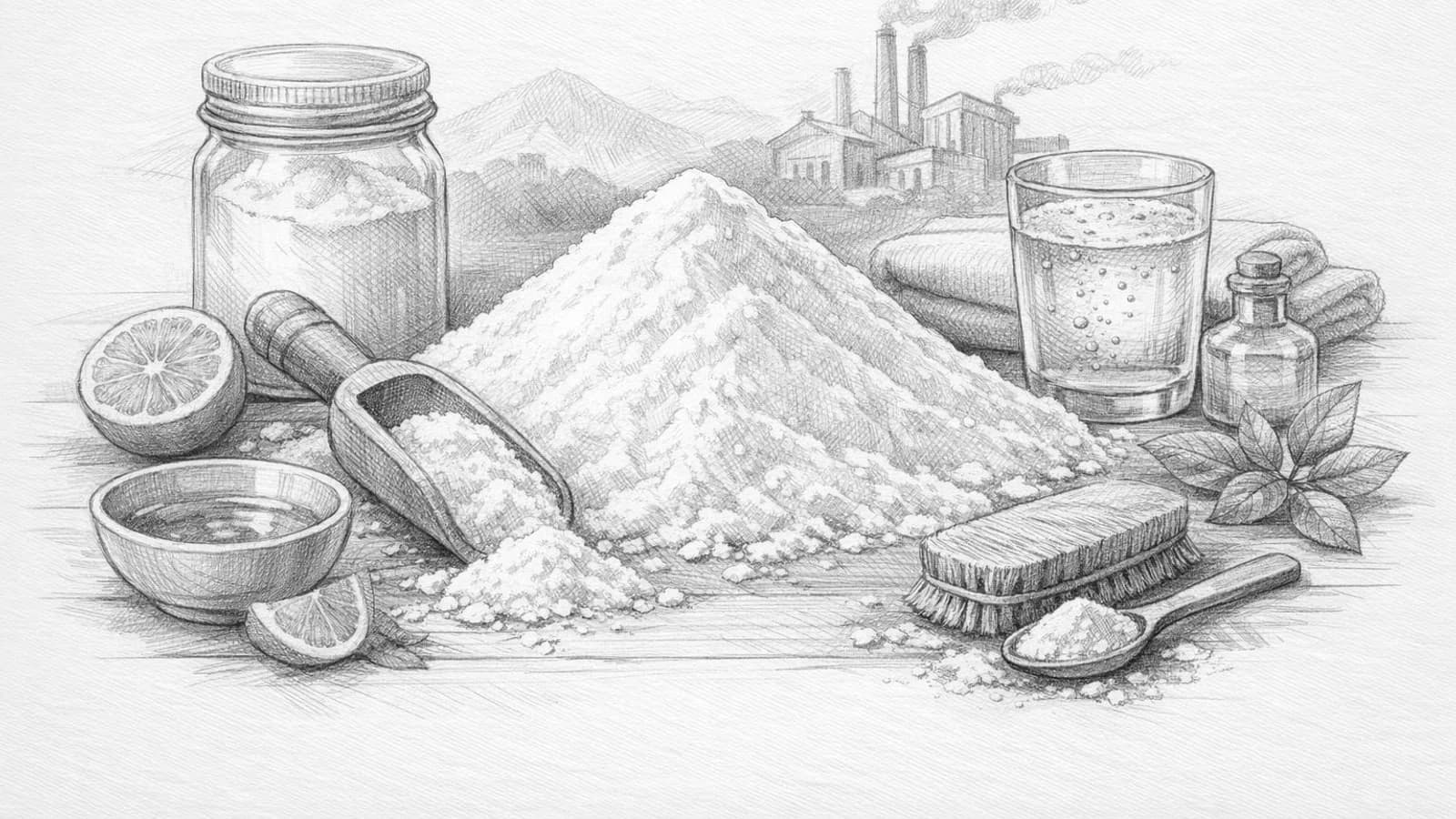
Baking Soda: Miracle Cure or Myth?
⚡Key Takeaways
- Baking soda is sodium bicarbonate (NaHCO₃): a white, crystalline powder with clearly defined chemical and physical properties.
- Its most important practical effect is thermal decomposition starting at around 100 °C, when CO₂ is released — which is why baking soda works as a leavening agent and in some technical applications.
- As a pure substance, baking soda is toxicologically safe and acts as a mildly alkaline substance in water, as well as a buffer against acids.
- The “Kaiser-Natron” brand has stood for a long German distribution history since the 19th century and today markets baking soda as a versatile, sustainable household remedy.
- The article makes one thing clear: baking soda is not a miracle cure, and especially the cancer and weight-loss myths surrounding baking soda are scientifically unproven and potentially dangerous.
Baking soda is an unassuming white powder. I wanted to find out more precisely what effects it really has and, along the way, learned quite a few interesting things about the manufacturing process and the history of sodium bicarbonate.
The secret to a free life lies largely in simplicity. Baking soda is a simple, inexpensive, and versatile agent.
In the following, I share the results of Gemini Deep Research.
📚 Deep Research — Source Text
Sodium Bicarbonate (Kaiser Natron): A Comprehensive Chemical-Physiological Evidence Analysis and Systematic Categorization of Applications
1. Introduction and Chemical-Physical Foundations
Sodium bicarbonate, often referred to in everyday nomenclature as baking soda, sodium acid carbonate, sodium bicarbonate, bicarbonate of soda, or Bullrich salt, is an inorganic sodium salt of carbonic acid. The empirical molecular formula of the substance is NaHCO₃. With a defined molar mass of 84.01g⋅mol−1 and a specific density of 2.22g⋅cm−3 at a standard temperature of 20 °C, the substance manifests macroscopically as a fine, crystalline, white powder. Under normal pressure conditions, sodium bicarbonate is consistently in a solid aggregate state. Identification in international databases is carried out via CAS number 144-55-8.
A characteristic thermodynamic feature of sodium bicarbonate, decisive for industrial and household use, is its thermal instability at moderately elevated temperatures. Starting at a temperature of 100±1∘C, the thermal decomposition process, known in technical terms as calcination, begins. In this endothermic process, sodium bicarbonate breaks down with the release of water (H₂O) and carbon dioxide (CO₂) to form sodium carbonate (Na₂CO₃). This significant gas release is the fundamental physicochemical principle underlying its use as a leavening agent in cooking, its expansion properties in material processing, and its suffocating effect in industrial and domestic fire suppression.
Large-scale synthesis of the compound takes place primarily via the established Solvay process. In this complex chemical process, elemental sodium chloride (NaCl), ammonia (NH₃), and carbon dioxide (CO₂) react in an aqueous medium (H₂O) to precipitate sodium bicarbonate as a sparingly soluble precipitate. Toxicologically and under hazardous-substance regulations, the pure substance is considered entirely harmless. According to the strict GHS hazardous substance labeling system (Globally Harmonized System), it carries neither specific hazard pictograms nor H-phrases (hazard statements) or P-phrases (precautionary statements). In aqueous solution, sodium bicarbonate reacts mildly alkaline due to the hydrolysis of the bicarbonate ion and functions as an efficient, amphoteric buffer capable of neutralizing weak acids as well as buffering extreme basicity.
2. Historical and Commercial Context: The “Kaiser-Natron” Paradigm
The commercial success story and sociocultural anchoring of sodium bicarbonate in the German-speaking world are inextricably linked to the “Kaiser-Natron” brand. The historical origin of this company lies in the heyday of the Bielefeld linen industry in the early 19th century. In 1825, namesake Arnold Holste opened a colonial goods store in Bielefeld in the house “Welle No. 45,” laying the foundation for the later industrial company. From these modest beginnings, his widow Johanne founded the company “Arnold Holste Wwe.” in 1886, which had already been successfully marketing the household remedy Kaiser-Natron since 1881.
Today, the traditional company, which has formally operated under the name Arnold Holste Wwe. GmbH & Co. KG since 1972, produces laundry and household care products in its sixth generation at the company’s original headquarters on Sudbrackstraße in Bielefeld, occupied since 1907. The longevity of this specific product in a highly competitive market demonstrates the enduring relevance of simple, chemically pure substances in the modern consumer goods industry. In contemporary market positioning, the product is marketed not only as a versatile household remedy for the kitchen and bathroom, but specifically as a sustainable, vegan, gluten-free, and lactose-free natural product. It is distinguished by its 100 percent purity and contains no added proteins, sugar, or other synthetic auxiliary substances.
When used as intended, the powder leaves behind only natural salts and carbonic acid in the environment, underscoring its high ecological compatibility and classification as an environmentally friendly product. Production processes at the Bielefeld site have been continuously adapted to the latest standards over the decades. A notable milestone was the company’s 175th anniversary in 2000, accompanied by the launch of the “HOLSTE PROFI” product line for professional cleaning. In 2010, a major modernization and expansion of the liquid mixing facility followed, with additional raw material tanks installed and mixing capacities significantly increased to meet the growing logistical demands of the cosmetics and cleaning products sectors.
3. The Tension Field: Miracle Cure or Myth?
The public narrative and media portrayal surrounding sodium bicarbonate today swing extremely between its stylization as an omnipotent “miracle cure” and justified skepticism toward potentially dangerous health myths. The question of whether baking soda is a miracle cure calls for a sober, strictly evidence-based assessment. It is essential to differentiate rigorously between physiologically proven mechanisms of action and esoteric quackery. The answer to the guiding question is unequivocal: baking soda is not a miracle cure in the mystical sense, but a highly effective chemical substance with clearly defined, limiting physicochemical properties.
3.1. Unmasking Dangerous Health Myths
Two of the most prominent, persistent, and at the same time most dangerous myths surrounding sodium bicarbonate concern clinical oncology and weight reduction. These myths are based on a fundamental misunderstanding of human physiology and acid-base balance.
The Cancer Myth: For decades, pseudomedical and alternative-medicine circles have circulated the unsupported claim that cancer cells can thrive only in an acidic environment and cannot survive in an “alkaline environment.” From this, the fatal conclusion is drawn that oral intake of alkaline baking soda or adherence to extreme alkaline diets could change blood pH in such a way that tumors are “de-acidified” and cured. The Cancer Information Service of the German Cancer Research Center (DKFZ) makes it absolutely clear that special cancer diets or household products such as baking powder and baking soda cannot cure cancer under any circumstances. Fasting, the omission of essential nutrients, or the massive intake of salts does not kill malignant cancer cells. On the contrary: such extreme diets rather promote disease-related malnutrition. Around 80 percent of all oncology patients already struggle with unintentional, sometimes cachectic weight loss. This weight loss during cancer treatment should be clarified by a doctor as quickly as possible and treated professionally, for example with high-calorie nutritional drinks, rather than relying on supposed miracle cures.
The Weight-Loss Myth: Another myth, heavily promoted by social media and trend videos, suggests that baking soda can boost fat burning and help the body lose weight by offsetting an alleged and generalized “acidosis” of the body. Scientifically, this theory is completely untenable. There is no valid scientific evidence that sodium bicarbonate stimulates lipid metabolism or increases basal metabolic rate. The human organism regulates its blood pH (which is always strictly between 7.35 and 7.45) very effectively on its own via highly complex buffer systems in the lungs (exhalation of CO₂) and the kidneys (excretion of protons). The abusive, high-dose intake of baking soda as a weight-loss aid instead carries significant health risks: the resulting extremely high sodium intake can lead to a significant increase in blood pressure (arterial hypertension). In addition, the carbon dioxide gas produced in the stomach causes acute gastrointestinal discomfort, bloating, nausea, and diarrhea. Sustainable weight loss, according to nutrition experts such as Oviva, is based solely on a balanced diet, regular physical activity, and long-term habit change, not on supposed biochemical tricks.
3.2. Physiological and Medical Realities
Despite the clear refutation of miracle-cure myths, sodium bicarbonate does have very valid and empirically proven medical indications. These are based primarily on its alkaline pH value (approx. 8.5 in aqueous solution) and its enormous buffering capacity, which is used specifically for local or systemic pH modulation.
Gastroenterological applications: As a classic, fast-acting antacid, sodium bicarbonate has been used for generations to neutralize excess stomach acid. Hypersecretion of gastric acid can be induced by stress, fatty foods, or excessive alcohol consumption. In acute heartburn or mild gastritis (inflammation of the gastric mucosa), swallowing a solution in sips (usually a teaspoon of baking soda dissolved in a large glass of water) can quickly reduce the painful irritation of the esophagus. The chemical reaction converts the stomach’s hydrochloric acid (HCl) into harmless sodium chloride (NaCl), water, and carbon dioxide gas. However, the therapeutic window for this self-medication is extremely narrow: an overdose inevitably leads to severe bloating, nausea, and paradoxical diarrhea. Clinical guidelines and recommendations therefore strictly limit the maximum daily dose to no more than three glasses of water with a maximum of a half to one teaspoon of baking soda each.
Immunological effects and inflammation modulation: More recent cell-biological observations suggest that sodium bicarbonate can exert remarkable immunomodulatory effects. Drinking an appropriately dosed baking soda solution over a period of two weeks correlates with a significant proliferation of so-called M2 macrophages in the spleen, kidneys, and peripheral blood. In strict contrast to pro-inflammatory M1 macrophages, M2 macrophages are primarily responsible for resolving inflammatory processes, dampening immune responses, and active tissue repair. This cellular shift in the immune system provides a plausible pathophysiological explanation for the traditional, empirical use of baking soda in diffuse inflammatory states and mild autoimmune reactions.
Nephrology and the management of Chronic Kidney Disease (CKD): A highly relevant research field is nephrology. In patients with chronic kidney disease (CKD), metabolic acidosis almost inevitably develops over the course of the disease, because the degenerating kidneys lose their essential function of excreting systemic acids. Experimental studies have shown in detail that such chronic metabolic acidosis directly triggers osteoclast-mediated bone breakdown (resorption), while simultaneously blocking osteoblast-mediated bone formation. As a result, parathyroid hormone levels (PTH) rise massively, drastically worsening metabolic bone disease. Large-scale analyses of NHANES data (National Health and Nutrition Examination Survey) in the United States revealed a clear, statistically significant association between low serum bicarbonate levels and reduced bone mineral density in adults.
Systematic bicarbonate supplementation effectively corrects this metabolic acidosis. The scientific literature shows that the benefits are particularly pronounced in the early to middle stages of chronic kidney disease, where bicarbonate administration has a protective effect on remaining kidney function. However, therapeutic success is strongly limited and controversial in very advanced disease stages. A methodologically rigorous long-term study (Southampton, UK) examined older patients (≥ 60 years) with advanced chronic kidney disease and mild acidosis over two years. The results were sobering: oral sodium bicarbonate, compared directly with placebo, improved neither physical function (measured by walking speed, the ability to rise from a chair, and balance) nor overall quality of life. There were likewise no significant improvements in kidney function, bone health, or vascular health. Rather, the bicarbonate group recorded a higher incidence of adverse side effects and caused significantly higher healthcare costs for the health system, although blood pressure fortunately remained comparable in both groups. Therapists must therefore always weigh biochemical correction of acidosis highly individually against patient tolerance and potential risks.
Dermatology and skin pathologies: The use of sodium bicarbonate in dermatology, particularly in chronic inflammatory, hyperkeratotic dermatoses such as psoriasis and atopic eczema, yields highly ambivalent data that fluctuate between enthusiasm and disillusionment. On the one hand, older clinical studies indicate significant subjective improvements. A study by Verdolini et al. (2005) evaluated the effectiveness of baking soda baths in 31 psoriasis patients compared with a placebo group over 21 days. Patients in the bicarbonate group reported a statistically highly significant relief of distressing itching and skin irritation. Remarkably, the patients perceived the positive impact on their psoriasis as so substantial that they continued the baking soda baths on their own initiative even after the formal study ended. Topical baking soda is also described in the literature as a cost-effective, safe adjunct in the treatment of aquagenic pruritus (water-induced itching) and microbial skin infections.
On the other hand, more modern, objectively measurable data analyses urge caution. Studies using objective dermatological parameters showed that topical application of sodium bicarbonate preparations hardly changes the basic physiology of diseased skin: there was no significant improvement in skin hydration, no reduction in transepidermal water loss (TEWL), and no measurable reduction in erythema. In addition, the modified PASI score (Psoriasis Area and Severity Index) and the affected body surface area (BSA) remained statistically unchanged compared with baseline. Excessive, uncontrolled at-home use also carries significant risks: case reports document severe local irritation and even systemic complications such as metabolic alkalosis when baking soda is applied excessively and over large skin areas and absorbed transdermally. Even in children with eczema, there are no sound scientific studies on the safety of baking soda baths, which is why pediatric advice must be sought here without exception.
4. Ergogenic Effects in Sports Science
One area in which sodium bicarbonate is in fact unquestionably and scientifically highly substantiated as a performance-enhancing agent (ergogenic aid) is competitive sports medicine. The International Society of Sports Nutrition (ISSN) published a comprehensive and binding position stand on sodium bicarbonate supplementation in 2021, documenting its effectiveness in detail.
Physiological rationale: During high-intensity muscular exertion, the body increasingly relies on anaerobic glycolysis for rapid ATP production. This metabolic pathway is necessarily accompanied by massive accumulation of lactate and hydrogen ions (H⁺) in the muscles and bloodstream. This drop in intramuscular pH, known as exercise-induced metabolic acidosis, disrupts enzymatic activity and calcium release in the muscle and is thus a primary limiting factor for muscular fatigue. After oral intake, sodium bicarbonate acts as a potent extracellular buffer in the blood. By increasing systemic bicarbonate concentration, the concentration gradient between the muscle cell and the bloodstream is enlarged, massively promoting the rapid efflux of fatiguing H⁺ ions from the stressed muscle cell into the blood. There the acid is buffered, tissue pH is stabilized, and muscular exhaustion is significantly delayed.
Clinical evidence and sport-specific performance data: Supplementation with precise doses of 0.2 to 0.5g/kg body weight demonstrably improves performance in muscular endurance activities and in a wide variety of high-intensity sports, especially cycling, running, swimming, and rowing. Likewise, multiple methodologically sound studies document significant, fight-deciding advantages in various combat sports such as boxing, judo, karate, taekwondo, and wrestling. The ergogenic (performance-enhancing) effects are statistically significant in men and women alike and appear both in single maximal efforts (“single-bout”) and in repeated interval efforts (“multiple-bout”). As a hard scientific threshold: for single-dose protocols, 0.2g/kg sodium bicarbonate is the absolute minimum dose required to evoke measurable improvements in physical performance.
A detailed breakdown of the published individual studies illustrates the range of efficacy:
Swimming: The discipline of swimming benefits massively from buffer capacity. Lindh et al. (2008) studied elite swimmers and demonstrated that NaHCO₃ intake led to a performance improvement of a remarkable 1.6% in 8 out of 9 highly trained athletes (with a p-value of 0.04). Zajac et al. (2009) showed in well-trained swimmers an improvement in swimming time of an average of 1.5 seconds compared with the control group (F(2,28)=5.63;p<0.05). Another independent cohort of university swimmers improved their total swimming time by 2% under bicarbonate influence, corresponding to a mean difference of 4.4 seconds (effect size d=0.15;p=0.04).
Combat sports: In combat sports, where lactic acidosis limits explosive power, a study by Siegler et al. (2010) in experienced boxers showed that punching efficiency increased extremely significantly after bicarbonate intake (p<0.001). In wrestlers and judoka, studies by Artioli et al. (2007) and Aschenbach et al. (2000) documented an increase in the number of throws (in rounds 2 and 3 of the SJFT) as well as a significant increase in average and peak performance in the anaerobic Wingate test. Interestingly, a specific study by Felippe et al. (2016) in judo athletes yielded a more differentiated data situation: here, sodium bicarbonate as a single substance did not increase performance, but it did in the highly potent combination with caffeine (F=0.80;p=0.02).
Endurance and cycling: In extreme endurance exercise, a study by McClung et al. (2007) showed that NaHCO₃ led to enormous performance improvement and significantly lower blood lactate levels (F(1,15)=51.4;p<0.001;η2=0.774). In cycling, Edge et al. (2006) studied 16 recreational female athletes, in whom time to fatigue was significantly prolonged by supplementation. A study of 21 male cyclists (Ferreira et al., 2019) confirmed the increase in time to fatigue, interestingly primarily at a specific dose of 0.3g/kg. In a classic experiment, subjects cycled for an average of 438±120 seconds after sodium bicarbonate intake, clearly outperforming the control condition (270±13 seconds) and even more so the artificially induced acidosis condition (160±22 seconds). In 12 male long-distance runners (Bird et al., 1995), running time could also be significantly reduced. According to Ansdell et al. (2020), basketball players did not necessarily benefit: physiological parameters were influenced, but sport-specific metrics such as sprint time or layup success rate remained unchanged.
Exercise duration and application protocols: The effectiveness of bicarbonate correlates strongly with the exact duration of exertion. ISSN investigations showed that for a pure exercise duration of under 4 minutes, 11 of 20 studies produced positive, significant results in favor of bicarbonate. For longer exercise bouts over 4 minutes, 6 of 15 studies still showed significant performance gains. Consequently, the exact duration of anaerobic peak exertion is a critical vector for inducing the performance-enhancing effect.
The greatest practical hurdle in sports is the potentially severe gastrointestinal side effects (explosive diarrhea, painful cramps) on competition day, caused by massive CO₂ production in the stomach. To minimize these side effects, so-called multi-day protocols are increasingly being established. These protocols typically begin 3 to 7 days before the decisive event. A total dose of 0.4 to 0.5g/kg per day is fractionated into extremely small portions (e.g., 0.1 to 0.2g/kg), which are gently consumed with breakfast, lunch, and dinner. This induces chronic alkalization of the blood with minimal intestinal stress.
In summary, the ISSN notes that sodium bicarbonate in combination with creatine or beta-alanine (an intracellular buffer) can produce strongly additive performance gains. Whether the combination with caffeine or dietary nitrates offers additional synergistic benefits remains controversial in the current literature. Finally, it must be scientifically acknowledged that a certain, not insignificant proportion of performance improvement in studies is attributable to the classic placebo effect, since taking large amounts of salt is physiologically very noticeable and triggers expectations.
5. Systematic and Detailed Categorization of Applications
Because of its alkaline, highly absorbent, and mildly abrasive crystal-structure properties, sodium bicarbonate permeates a wide variety of everyday areas. The following systematizes 60 specific uses validated in literature and practice in the three required categories of health, household, and miscellaneous. Before the tabular summary, each application is described in detail in terms of its biochemical or physical mechanisms of action in the form of a brief scientific analysis, in order to avoid merely listing claims.
5.1. Health, Medicine, and Personal Care
In the realm of human physiology and personal care, sodium bicarbonate primarily acts as an acid buffer in the gastrointestinal tract, as a mild epidermal exfoliant, and as a potent deodorant. Its antimicrobial properties are based almost exclusively on the creation of a hostile, highly alkaline environment that disrupts the cell walls and metabolic processes of acid-loving pathogenic bacteria.
Heartburn therapy (1) is perhaps the best-known medical indication. The aqueous solution rapidly neutralizes hydrochloric acid present in the stomach, raising the pH and stopping the corrosion of the esophageal mucosa. Closely related is gastritis relief (2), in which acid reduction takes the inflammatory stimulus off the injured gastric mucosa and thus promotes healing. In the treatment of throat infections (3), the solution is gargled. This drastically changes the pH in the oropharynx, making it harder for streptococci to grow and reducing tissue swelling osmotically. The preventive nasal rinse against flu (4) uses an isotonic salt-baking soda mixture to support the mucociliary clearance of the nasal mucosa and physically flush out viral and bacterial pathogens before they penetrate the ciliated epithelium.
On a systemic level, immunomodulation (5) is evident: intake over 14 days shifts the macrophage profile toward the anti-inflammatory M2 type, measurably lowering systemic inflammatory burden in the organism. In nephrology, oral administration in chronic kidney disease (CKD) (6) serves the vital correction of metabolic acidosis in order to prevent rapid kidney failure and the breakdown of bone substance. In sports medicine (7), it is precisely dosed to cushion lactate accumulation in muscle tissue through extracellular buffering and extend time to fatigue.
Dermatologically, psoriasis baths (8) are used, in which the alkaline osmotic pressure softens scales and blocks pruritus, often in synergy with oatmeal extracts. In atopic dermatitis (eczema) (9), the keratolytic effect is used to remove thick horny layers (hyperkeratoses); in children, however, this must be monitored critically due to the thin epidermis. Topical application has also proven effective for aquagenic pruritus (10), presumably by modulating local histamine release in the skin. In acute thermal damage such as sunburn (11) or minor burn wounds (12), compresses soaked in baking soda solution draw heat out of the skin and, through their alkalinity, reduce the activity of inflammation-promoting enzymes (kinases) in the damaged tissue.
In cosmetics, baking soda serves as an extreme shampoo alternative (13). The alkaline paste fully saponifies the lipids (sebum) of the scalp, resulting in extremely stripped hair; at the same time, it oxidizes pigments, which can lighten dyed hair. As a dry shampoo (14), the dry powder is used in combination with starch (as a lipid absorbent) and cocoa/cinnamon (as color pigment) to bind sebum physically without needing water. As a natural deodorant (15), baking soda does not suppress sweat gland activity (as aluminum salts do), but neutralizes the foul-smelling butyric and formic acids produced when the armpit microbiome breaks down sweat.
For oral hygiene, baking soda is used for teeth whitening (16). The hard crystal structure acts on the toothbrush as a mechanical abrasive that scrapes tannins and plaque from coffee or tea off the enamel. A mouth rinse (17) made from baking soda, water, and essential oils neutralizes volatile sulfur-containing compounds responsible for halitosis by converting them into odor-neutral salts. Against cellulite (18), a circulation-promoting paste (with coffee and olive oil) is massaged in, with the abrasiveness smoothing the epidermis and the caffeine stimulating local lipolysis. As a pure facial scrub (19), the coarse-grained salt removes dead corneocytes (desquamation) and stimulates basal cell renewal. Finally, in acne (20), it deprives clogged pores of the environment needed by the bacterium Cutibacterium acnes, since it cannot proliferate in alkaline environments.
No. | Application (Health & Personal Care) | Brief Description of the Mechanism of Action |
|---|---|---|
1 | Heartburn therapy | Chemical neutralization of hydrochloric acid to H₂O, NaCl, and CO₂. |
2 | Gastritis relief | Reduction of acid irritation on the gastric mucosa. |
3 | Throat infections | Bacteriostatic change in the environment through alkaline gargling. |
4 | Nasal rinse | Mechanical clearance and osmotic hydration of the mucosa. |
5 | Immunomodulation | Proliferation of anti-inflammatory M2 macrophages. |
6 | Acidosis in CKD | Buffering metabolic acidosis, kidney protection in early stages. |
7 | Athletic performance | Extracellular lactate buffering delays muscular fatigue. |
8 | Psoriasis baths | Osmotic relief of pruritus and erythema. |
9 | Atopic dermatitis | Keratolytic removal of thick, dry skin scales. |
10 | Aquagenic pruritus | Topical relief through modulation of cutaneous irritation. |
11 | Sunburn | Thermal extraction and enzymatic anti-inflammatory action. |
12 | Burn wounds (minor) | Analgesia through pH shift in the cutaneous pain receptor area. |
13 | Hair shampoo (no-poo) | Strong saponification and removal of sebum. |
14 | Dry shampoo | Physical adsorption of lipids at the hair roots. |
15 | Deodorant alternative | Acid-base neutralization of foul-smelling bacterial metabolic byproducts. |
16 | Teeth whitening | Mechanical abrasion of extrinsic enamel discoloration. |
17 | Mouth rinse | Chemical neutralization of volatile sulfur compounds (halitosis). |
18 | Cellulite scrub | Mechanical smoothing and promotion of local microcirculation. |
19 | Facial scrub | Removal of dead corneocytes (desquamation). |
20 | Acne/pimple treatment | Creation of a hostile environment for Cutibacterium acnes. |
5.2. Household, Cleaning, and Culinary Uses
In the household realm, one benefits maximally from the physical abrasiveness of the crystals, the amphoteric-like buffering abilities for odor binding, and the capacity to saponify complex organic lipids at high temperatures.
When cleaning burned pots (21), the baking soda is boiled in water. The supply of thermal energy in combination with the high pH splits the ester bonds of the encrusted cooking fats (saponification), creating water-soluble soaps that can be wiped away effortlessly. For textile stain removal (22), a concentrated baking soda paste is applied to the fabric. Over 12 hours, the alkali penetrates the textile and chemically breaks down enzymatic protein or lipid structures in the stain before it is machine washed out. Silver cleaning (23) is a fascinating electrochemical process: by placing tarnished silver (silver sulfide, Ag₂S) together with non-precious aluminum foil in a hot baking soda-water bath, the baking soda acts as a conductive electrolyte. The aluminum sacrifices itself (oxidizes), while the silver ion is reduced—the sulfur migrates to the aluminum, and the silver shines again in pure brilliance.
For drain cleaning (24), baking soda is combined with vinegar (acetic acid). The immediate, violent exothermic acid-base reaction releases large amounts of carbonic acid, which spontaneously decomposes into H₂O and CO₂. This abrupt mechanical gas pressure, combined with the heat, literally blasts organic blockages open in the trap. As a shoe deodorant (25), one uses the hygroscopic (moisture-attracting) properties of the dry powder. It draws moisture out of the shoe environment and neutralizes isovaleric acid, the primary metabolic product of foot bacteria. A room spray (26) made from distilled water and baking soda captures airborne aerosols and odor molecules via ionic binding from the room air. Against vacuum-cleaner odor (27), a teaspoon directly in the dust bag prevents organic particles (skin flakes, pet hair) from being broken down by bacteria in the warm airflow and thus generating exhaust odor.
In culinary use, it is the classic leavening agent (28). In dough, it requires an acidic component (e.g. buttermilk or lemon juice). At around 50 °C oven temperature, sodium bicarbonate decomposes rapidly into sodium carbonate, water, and extremely large amounts of CO₂ gas, which forms tiny bubbles and causes the dough to expand massively. For acid regulation in foods (29), it is used to chemically neutralize strongly acidic fruit acids in tomato sauces or preserves, harmonizing the flavor profile without increasing the calorie load through added sugar. Used as a detergent additive (30), the carbonate ions bind calcium and magnesium cations dissolved in hard tap water. By softening the water, the surfactants in the detergent can work much more efficiently, resulting in whiter laundry. For dry carpet cleaning (31), the scattered crystals bind deeply embedded lipids and odors to their enormous specific surface area, after which they are simply vacuumed away.
The mild Mohs hardness of baking soda crystals enables gentle gold jewelry polishing (32). Unlike aggressive quartz abrasives, organic deposits such as sebum and dead skin cells are removed without leaving microscopic scratches on the soft precious metal. Deep-cleaning makeup brushes (33) in warm baking soda water emulsifies thick layers of oil-based foundation and eliminates pathogenic germs nesting in the bristles that would otherwise trigger skin blemishes. The same applies to the disinfection of beauty blenders (34), where a five-hour soak in combination with surfactants (dish soap) loosens even makeup residues lodged deep in the sponge.
As an environmentally friendly scouring powder substitute (35), coarse-grained Kaiser Natron provides the necessary mechanical abrasion for bathroom ceramics while completely avoiding environmentally harmful microplastics, unlike conventional scouring creams. Washing fruit and vegetables (36) in a baking soda solution (alkaline hydrolysis) destroys the molecular structure of many water-repellent pesticide residues and natural wax layers far more effectively than plain water can. For window cleaning (37), the mild lye loosens greasy films of dirt (such as exhaust residue and fingerprints) from the glass panes without leaving streaks.
The ability to extinguish grease fires (38) is highly relevant. When burning oil in the kitchen must never be extinguished with water (grease explosion!), generously sprinkled baking soda smothers the flames. Under heat, it releases large amounts of CO₂, which displaces oxygen from the source of the fire, while the endothermic decomposition reaction simultaneously draws thermal energy out of the fire. A paste of oil and baking soda breaks apart the polymer chains of many synthetic household adhesives in adhesive residues (39). Ultimately, the abrasion of baking soda applied with a brush enables the superficial removal of rust spots (40) from tools by mechanically and mildly alkalinely wearing away the oxide layer.
No. | Application (Household & Cleaning) | Brief Description of the Mechanism of Action |
|---|---|---|
21 | Burned pots | Saponification of encrusted fats through alkaline boiling. |
22 | Stain removal | Penetration and breakdown of enzymatic stains. |
23 | Cleaning silver | Galvanic redox reaction; reduction of silver sulfide by aluminum. |
24 | Cleaning drains | Exothermic pressure and CO₂ release on contact with acid (vinegar). |
25 | Shoe deodorant | Hygroscopic moisture binding and neutralization of isovaleric acid. |
26 | Room spray | Ionic binding of free odor aerosols in room air. |
27 | Vacuum-cleaner odor | Prevention of bacterial decomposition processes in the warm dust bag. |
28 | Leavening agent | Thermal decomposition above 50°C releases high-volume CO₂ gas. |
29 | Acid regulation (food) | Chemical neutralization of fruit acids, flavor-wise replacing sugar. |
30 | Detergent additive | Binding alkaline earth metals makes water softer, increasing surfactant efficiency. |
31 | Cleaning carpets | Dry adsorption of lipids and odor compounds on the crystal surface. |
32 | Polishing gold jewelry | Mild, scratch-free mechanical abrasion of organic residues. |
33 | Makeup brushes | Alkaline emulsion of cosmetic fats, germ reduction. |
34 | Beauty blender | Deep-action removal of foundation polymers in synergy with dish soap. |
35 | Scouring powder (eco) | Mechanical cleaning of ceramics without microplastics. |
36 | Washing fruit/vegetables | Alkaline hydrolysis of water-resistant pesticide and wax layers. |
37 | Cleaning windows | Dissolution of sticky, organic dirt films on silicates. |
38 | Extinguishing grease fires | Oxygen displacement by CO₂ and thermal extraction (endothermic decomposition). |
39 | Removing adhesive residue | Breaking synthetic polymer bonds through an oil-base mixture. |
40 | Removing rust spots | Gentle mechanical removal of superficial iron oxide layers. |
5.3. Miscellaneous: Gardening, Pets, and Environmental Technology
In the realm of flora, fauna, and highly specialized industry, sodium bicarbonate primarily modifies the pH of local micro-biotopes, induces targeted osmotic pressures at cell membranes, and serves as a highly efficient biocide or industrial absorbent for highly toxic gases.
In agricultural ecology, aphid control (41) using a diluted baking soda solution is common practice. The alkaline liquid destroys the sensitive acid protective coating of aphids and weakens the chitin in their exoskeleton, leading to osmotic stress and ultimately dehydration of the insects. As an environmentally friendly fungicide against powdery mildew (42), a preventively sprayed solution stops spore germination. Powdery mildew and downy mildew are strictly dependent on a slightly acidic environment on the leaf surface, which is permanently disrupted by the alkalinity of baking soda. In weed control in cracks (43), dry baking soda powder is spread. It dissolves in the morning dew and induces an extreme pH shock and massive salt stress in the plant’s root collar, leading to plasmolytic necrosis of the plant. The same applies to moss destruction on paving stones (44): the sensitive osmotic balance of mossy bryophytes collapses, the cells dehydrate, the moss turns yellow, dies, and can be brushed away.
A particularly drastic biochemical mechanism underlies ant repelling (45). When ants eat baking soda (often mixed with powdered sugar as bait), the salt reacts massively in the highly acidic digestive tract of the insects or on contact with the formic acid they produce. The sudden volumetric expansion of the resulting CO₂ gas cannot be compensated by the insects and causes their internal organs to rupture. In vegetable cultivation, baking soda is used to improve tomato flavor (46). Since tomato plants prefer a soil pH between 6 and 7 for optimal sugar synthesis, sprinkling baking soda neutralizes overly acidic soils. This optimizes nutrient uptake by the roots and directly leads to sweeter, more aromatic fruits.
For stimulating seed germination (47), hard-coated seeds are soaked for 24 hours in a weak alkali. This process (chemical scarification) makes the hard seed coat permeable to water and neutralizes germination-inhibiting acids in the seed coat, which dramatically increases the germination rate. Cleaning flower pots (48) often takes place in combination with vinegar. The acid dissolves biogenic calcium carbonate (limescale), while the baking soda paste then acts as a microporous scouring agent to remove remaining crusts from the capillaries of the terracotta. For lime-loving plants, it is used to specifically raise the pH of ornamental plant substrate (49) such as lavender by buffering acidic potting soil through the watering water.
In pet-friendly garden care, a lye enables toxin-free disinfection of birdhouses (50) and the efficient removal of adhering droppings without leaving behind residues of harsh surfactants that could damage feathers. In bird baths (51), the alkaline environment after cleaning prevents blue-green algae and pathogenic bacteria from multiplying rapidly in the standing water.
In veterinary medicine, after strict consultation with a veterinarian, baking soda can be used for temporary treatment of gastritis in dogs (52). An exactly calculated dose (50 mg per kg of body weight every 12 hours) neutralizes stomach acid and protects the ulcerated esophagus. Similar short-term relief for feline heartburn or stomach upset in cats (53) has been documented, but requires prompt medical diagnosis so as not to mask underlying kidney disease.
In highly complex aquaristics, sodium bicarbonate is the chemical key component par excellence. It serves to increase carbonate hardness (KH) (54). Adding precise 3 grams per 100 liters of aquarium water increases carbonate hardness by exactly 1 °dH (degree of German hardness). This carbonate hardness is essential for stabilizing pH in the aquarium (55). A high proportion of bicarbonate ions in the water creates a giant buffering system that intercepts even the sudden introduction of organic acids, thereby preventing an acid crash that would be fatal to fish. However, dosing must be extremely careful, because the artificial increase in salinity burdens the osmotic regulation of fish (56). A too-rapid rise forces the gill epithelia of the fish to do massive metabolic work to compensate for osmotic pressure, which can lead to fatal osmotic shock.
At the macroscopic industrial level, the substance is essential for air pollution control. In flue gas cleaning (Bicar process) (57), dry, extremely fine sodium bicarbonate powder is injected directly into the over-140 °C exhaust stream of power plants, where it immediately decomposes and forms an extremely porous, highly reactive sodium carbonate structure. This structure acts as an enormously efficient sorbent for SOx (58), i.e. sulfur oxides from coal combustion, which are chemically bound and deposited as harmless sodium sulfate. Similarly, it serves as a sorbent for HCl (59). Hydrogen chloride vapors from waste incineration plants, which would otherwise cause devastating “acid rain,” react immediately with the bicarbonate to form harmless sodium chloride (table salt), water, and CO₂. Finally, sodium bicarbonate forms the main component in BC extinguishing powders for heavy industrial fire suppression (60). Upon contact with extreme heat, the powder not only melts, but extracts massive amounts of energy from the exothermic fire reaction through its endothermic decomposition process, while the released carbon dioxide immediately smothers the flame base.
No. | Application (Miscellaneous, Garden & Animals) | Brief Description of the Mechanism of Action |
|---|---|---|
41 | Fighting aphids | Destruction of the alkaline protective coating and osmotic dehydration. |
42 | Powdery mildew fungicide | Prevention of spore germination by drastically raising pH. |
43 | Weed control (cracks) | Local induction of extreme salt stress and alkaline plasmolysis of roots. |
44 | Destroy moss | Disruption of osmotic and pH balance in bryophytic cells. |
45 | Drive away/kill ants | Fatal intracorporeal CO₂ gas expansion in the insect digestive tract. |
46 | Make tomatoes sweeter | Soil neutralization optimizes nutrient uptake for increased sugar synthesis. |
47 | Stimulate seed germination | Chemical scarification of hard seed coats and neutralization of germination inhibitors. |
48 | Descale flower pots | Synergistic dissolution of biogenic CaCO₃ through acid-base mechanisms. |
49 | Buffer ornamental plant substrate | Prevention of soil acidification for calciphilous plants (e.g. lavender). |
50 | Disinfect birdhouses | Alkaline, surfactant-free lysis of pathological droppings. |
51 | Clean bird baths | Prevention of microbial proliferation (algae/bacteria) in standing water. |
52 | Gastritis in dogs | Specific, dosed neutralization of canine stomach acid (short-term). |
53 | Stomach upset (cats) | Temporary feline buffering of excess acid, requires diagnosis. |
54 | Aquaristics: increase KH | Direct supply of HCO₃⁻ ions measurably increases carbonate hardness. |
55 | Aquaristics: stabilize pH | Build-up of a chemical buffer system to prevent fatal acid crashes. |
56 | Osmotic regulation in fish | Cautious modulation of the ion gradient at the respiratory gill epithelia. |
57 | Bicar process (flue gas) | Thermally induced formation of highly reactive, large-surface-area Na₂CO₃ structures. |
58 | SOx sorption (power plants) | Chemical binding of toxic sulfur oxides to neutral sodium sulfate. |
59 | HCl sorption (waste incineration) | Neutralization of aggressive hydrogen chloride acids to sodium chloride. |
60 | Fire suppression BC powder | Interruption of the fire chain through endothermic heat extraction and CO₂ blockade. |
6. Toxicological Assessment and Ecological Implications
From a strictly environmental-chemical and toxicological perspective, sodium bicarbonate is one of the most benign, harmless substances synthesized industrially on a megaton scale. The degradation process in domestic and industrial wastewater is entirely unproblematic. In natural, healthy waters, the bicarbonate ion (HCO₃⁻) is ubiquitous anyway as the dominant inorganic carbon buffer. There it exists in a dynamic, life-sustaining equilibrium with physically dissolved carbon dioxide and carbonate ions and is the fundamental basis for maintaining pH stability in all aquatic ecosystems.
Despite its toxicological harmlessness, users must always consider the cellular and osmotic implications when applying it to living organisms—whether in humans, pets, or the highly sensitive micro-biotope of an aquarium. The abrupt increase in ion concentration through high sodium loads significantly affects the cellular turgor pressure of plant cells and the intracellular hydration of animal cells. These immutable physicochemical laws of osmosis and diffusion limit the excessive, careless use of baking soda.
7. Synthesis and Final Conclusion
The in-depth scientific analysis of the chemical substance sodium bicarbonate, especially in its prominent commercial form as Kaiser Natron, reveals a fascinating, highly complex picture. It sharply distances itself from esoteric concepts and the dangerous narrative of a mystical medical “miracle cure,” yet simultaneously confirms an exceptionally polyvalent usefulness in countless technical and physiological disciplines.
The guiding question at hand, “miracle cure or not?”, can be answered in an evidence-based, final, and unequivocal manner: baking soda is definitely not a miracle cure. All therapeutic, mechanical, and chemical properties often mystified in popular discourse are fully explained by basic thermodynamic laws, osmotic principles, and strictly causal acid-base reactions. Claims that baking soda can cure carcinomas, stop the proliferation of cancer cells, or drive significant weight loss as the primary engine of fat metabolism are not only scientifically refuted misinterpretations, but dangerous misinformation that delays appropriate clinical treatment. In extreme oral doses, the substance provokes hypernatremia, arterial hypertension, metabolic alkalosis, and severe gastrointestinal disturbances.
Nevertheless, its immense chemical range qualifies the substance as a true physicochemical all-rounder. Its significant ergogenic efficacy for extracellular lactate buffering in high-performance sport is clinically and statistically absolutely undisputed according to the ISSN. Its essential pathophysiological role in treating and buffering mild metabolic acidosis in early-stage chronic kidney disease is therapeutically highly valuable, even if it no longer works miracles in late-stage disease. In dermatology, as a mild osmotic adjunct it relieves specific pruritic symptoms, but requires precise medical indication so as not to further compromise an already damaged skin barrier.
In the more prosaic, but economically and ecologically highly relevant segments of household cleaning, gardening, and heavy industry, sodium bicarbonate outperforms almost all petrochemically produced competing products through its guaranteed environmental harmlessness, lack of toxic microplastics, and easy accessibility. The 60 systematically broken down and detailed application possibilities ultimately and impressively demonstrate that the centuries-long fascination with this fine white powder is not based on supernatural magic, but on the pure, impartial, and predictable efficiency of inorganic chemistry.
Sodium bicarbonate - Chemie.de
Sodium bicarbonate - Wikipedia
Sodium bicarbonate – properties and applications - PCC Group product portal
Baking soda: effects on the body and health - praktischArzt.at
YSK: Extinguish grease fires with baking soda and NOT WITH WATER! - Reddit
For kitchen, home, and travel - That comes from Bielefeld
Kaiser Natron - Holste | Kaiser-Natron®
What’s the truth: Can baking powder or baking soda help against cancer? | DKFZ
Nutrition in cancer: myths under the fact check - DasKrebsportal.de
Losing weight with baking soda: what’s behind the myth and what really helps?
Losing weight with baking soda: what’s behind the myth and what really helps?
Can Bathing With Baking Soda Help Eczema? | MyEczemaTeam
Is Baking Soda Safe and Effective for Skin? - Healthline
85 Uses for Baking Soda - Diacleanshop
Using Baking Soda: The Best Applications for Kitchen, Home, Health, and More - Smarticular
Using baking soda: 24 tips for the household remedy - Nachhaltigleben
Baking soda – an old household remedy as a miracle weapon in the garden - Samenhaus garden blog
Applications with baking soda - Niem-Handel
Cleaning beauty accessories (blenders and brushes) - Kaiser-Natron
Cleaning silver: household remedies from aluminum foil to baking soda - EDEKA
Cleaning silver with household remedies like baking soda and aluminum foil - Smarticular
Cleaning silver jewelry with household remedies - this is how it works - ZDFheute
Extinguish a grease fire at home? Here’s how to do it properly! - YouTube
Cleaning silver with baking soda or soda - YouTube
3 clever uses for baking soda in the garden - Smarticular
Baking soda against weeds - how I use it correctly - Lubera
Baking soda: insider tip against weeds and pests - Mein EigenHeim
Baking soda against ants: household remedy application - Silberkraft
Stomach complaints: household remedy baking soda can help four-legged friends get back on track
Reaction of baking soda | The forum for exotic enthusiasts - Aquarium.ch
Everything about bicarbonate in the aquarium (6517) - Einrichtungsbeispiele.de
Increase the pH value in the aquarium in a simple way - Underwater-World
❓ Frequently Asked Questions
What exactly is baking soda?
Baking soda is sodium bicarbonate, chemically NaHCO₃. It comes as a fine, white powder and is also known as bicarbonate of soda or Bullrich salt.
What can baking soda be used for in everyday life?
Baking soda is mainly used as a leavening agent, as a mildly alkaline household remedy, and as a buffer against acids. It is also common in cleaning and certain technical applications.
Is baking soda a miracle cure?
No. The article emphasizes that baking soda is an effective chemical substance with clear limits, but not a miracle cure in the mystical sense.
Does baking soda help against cancer?
No, there is no scientific evidence for that. The article points to the clear statement that baking soda or baking powder cannot cure cancer.
Is baking soda safe for health?
The pure substance is considered toxicologically safe. The main risks come from false health claims or excessive self-treatment use.
Keep reading
More from this topicPay with cash, preserve freedom
I forgo card payments because cash protects freedom. What power lies behind the abolition of cash — and why you should pay attention.
Mechanisms of Self-Learning AI Agents
My experiment with virtual & autonomous AI employees: cloning myself, working less, accomplishing more. An inside look at the background.
Paraguay Fish Guide - What Is There and How Good Is It?
Which fish from Paraguay are easy to digest? Our guide explains toxins, heavy metals, and omega-3s so you can make smarter choices.