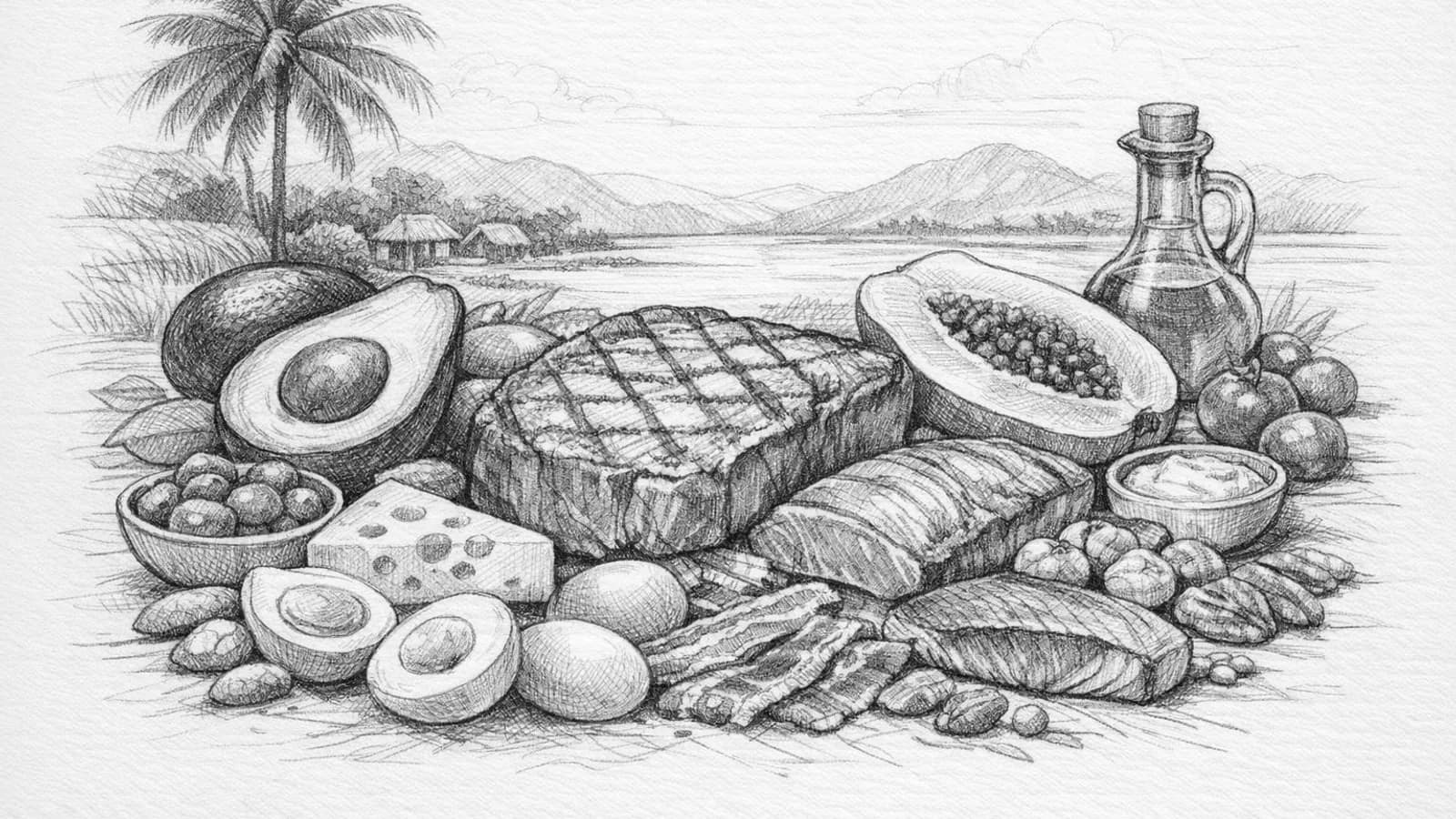
Keto in Paraguay - which recipes are possible?
⚡Key Takeaways
- Keto in Paraguay is possible, but the article emphasizes that recipe variety can quickly become limited without a clear ingredient strategy.
- As a local keto base, the text highlights meat, eggs, canned fish, cabbage, onions, garlic, bell peppers, sweet potatoes, as well as coconut oil, ghee, and butter.
- For strict ketogenic or no-carb versions, beef cuts such as Vacio, Costilla, Tapa de Cuadril, and Osobuco are especially suitable, along with eggs and fatty fish.
- Low carb replaces starchy sides with vegetables like repollo, onions, and bell peppers, while slow carb in this ingredient framework works mainly through sweet potatoes.
- The article warns against soybean, canola, and sunflower oil and instead recommends stable fats such as ghee, butter, and coconut oil for Paraguay’s hot climate.
As someone with wide-ranging interests, I once spent a week eating nothing but keto. That was rather difficult to stick to, however, because my cook and I were missing the recipes.
I’ve now asked Gemini to research a few recipes. I’m sharing the result here — I haven’t taste-tested any of them yet. Feel free to share your experiences in the comments.
📚 Deep Research — Source Text
Ketogenic and carbohydrate-modified dietary strategies in the Paraguayan context: A comprehensive clinical and culinary analysis
Introduction and nutritional foundations
Adapting low-carbohydrate diets requires a deep understanding of macronutrient metabolic processes as well as local food availability and climatic conditions. In South America, and specifically in Paraguay, the traditional diet is heavily shaped by starch-rich carbohydrates such as cassava (mandioca) and corn. These foods form the basis of national dishes such as sopa paraguaya, chipa, and vori vori, but also lead to a chronically high glycemic load, which is directly linked to insulin resistance and metabolic syndromes. The present analysis is devoted to the systematic restructuring of Paraguayan food culture toward ketogenic (keto/no carb), strongly carbohydrate-reduced (low carb), and glycemically optimized (slow carb) models.
The focus here is on a strictly limited, locally ubiquitous ingredient matrix made up of animal proteins, selected vegetables, and high-quality fats. This matrix comprises exactly fifteen components: meat, eggs, canned fish, cabbage (repollo), onions, garlic, bell peppers, sweet potatoes, coconut oil, ghee, cocoa powder, coriander, pepper, salt, and butter. By consciously avoiding heavily processed and refined vegetable fats such as soybean oil, canola oil, and sunflower oil, the cellular omega-6 to omega-3 ratio is optimized, minimizing systemic inflammatory processes and inhibiting lipid peroxidation in cell membranes.
Differentiation of metabolic paradigms
The terms low carb, slow carb, and no carb describe different metabolic interventions that are used depending on individual insulin resistance, therapeutic goal, and physical activity level. Exact calibration of these macronutrient distributions is crucial to the success of dietary change.
The low-carb paradigm is defined by a significant reduction in daily carbohydrate intake to a level that stabilizes blood sugar and drastically flattens insulin secretion. The metabolic state of deep ketosis is not necessarily reached permanently, but fat metabolism is strongly upregulated. In this model, starchy carbohydrates are replaced by fiber-rich vegetables such as cabbage (repollo), onions, and bell peppers. This promotes mechanical satiety through a larger food volume in the gastrointestinal tract while maintaining an extremely low energy density and minimal glycemic response.
The slow-carb approach focuses less on the absolute restriction of carbohydrate quantity and more on the molecular structure and glycemic index (GI) of the carbohydrates consumed. High-glycemic, rapidly absorbable foods such as white rice, wheat, or cassava are substituted with complex, fiber-rich carbohydrates, with sweet potato serving as the exclusive source in this ingredient matrix. These so-called “slow” carbohydrates are broken down more slowly in the small intestine by the fiber matrix, resulting in a moderate and steady rise in blood sugar and eliminating postprandial fatigue.
The no-carb diet, often used in a clinical context synonymously with the carnivore diet or a very strict ketogenic diet, eliminates carbohydrates from the system almost entirely. In this state, cellular energy supply occurs almost exclusively through free fatty acids and ketone bodies, driving hepatic ketogenesis to the maximum. In the Paraguayan context, this means absolute concentration on beef, animal fats, eggs, and canned fish. Traces of carbohydrates that enter the dishes through seasonings such as garlic, onions, or coriander in minimal amounts are tolerated solely for flavor depth and have no measurable effect on blood sugar.
The Paraguayan ingredient matrix and its biochemical relevance
Paraguay offers excellent agricultural and topographical conditions for producing primary animal and plant raw materials that integrate perfectly into low-carbohydrate diets. Limiting the diet to the fifteen defined ingredients requires a deep understanding of their culinary and biochemical synergies.
Paraguayan cattle farming provides internationally valued cuts of meat that have an ideal macronutrient distribution for a high-fat ketogenic diet. Cuts such as vacio (flank steak) and costilla (beef ribs) have a high intramuscular fat content and are excellent for slow cooking processes or the traditional Paraguayan asado. Tapa de cuadril (picanha) is a cut covered with a thick cap of fat that, when grilled, provides essential animal fats crucial for satiety and hormonal balance. Lean cuts such as peceto (eye of round) are excellent for braised dishes, but in a no-carb diet they absolutely require supplementation with external fats such as butter or ghee to avoid protein poisoning (rabbit starvation) and maintain ketosis. Bone-in cuts such as osobuco (puchero) are extremely rich in collagen and the amino acid glycine, which supports joint health and forms the basis for dense, mineral-rich bone broths.
Eggs and canned fish serve as essential sources of micronutrients. Eggs offer a perfect amino acid profile and contain high amounts of choline in the yolk, which is indispensable for neurotransmitter synthesis and liver health. Canned fish, especially fatty fish, is an often underestimated, highly bioavailable source of omega-3 fatty acids (EPA and DHA). These marine fats are strongly anti-inflammatory and help correct the omega-6 to omega-3 imbalance often found in modern diets.
Avoiding refined seed oils is a central pillar of cellular health. Soybean, canola, and sunflower oils dominate the Paraguayan market, but consist of highly unstable polyunsaturated fatty acids (PUFAs). These oxidize rapidly under the extreme Paraguayan heat and during frying, leading to the formation of toxic aldehydes and free radicals. Instead, the cuisine presented here is based on stable saturated fats. Ghee, pure butterfat without milk proteins, is especially advantageous in Paraguay’s subtropical climate because it is lactose-free, extremely heat-stable, and keeps for months without continuous refrigeration. Coconut oil also provides medium-chain triglycerides (MCTs), which bypass the portal system, are transported directly to the liver, and are immediately converted there into ketone bodies, delivering a rapid energy boost.
Vegetables and complex carbohydrates are strictly limited to cabbage, bell peppers, onions, garlic, and sweet potatoes. White cabbage (repollo) forms the structural backbone of low-carb cooking. It is extremely low in carbohydrates, rich in vitamin C and glucosinolates, and retains its structure under various cooking methods, which is why it serves as a noodle substitute or filling base. Sweet potato is the exclusive energy source of the slow-carb model. Through thermal processes (cooking followed by cooling), resistant starch forms in the sweet potato. This is not enzymatically broken down in the small intestine but reaches the large intestine intact, where it is fermented by the microbiota into short-chain fatty acids (such as butyrate), strengthening the gut barrier.
Spices such as cocoa powder, coriander, pepper, and salt round out the profile. Cocoa powder is not used here for desserts, but unleashes enormous potential in savory meat cooking. Unsweetened cocoa gives beef dishes a deep, complex, earthy note. A so-called “cocoa rub” made of cocoa powder, salt, pepper, and garlic caramelizes during frying, intensifies the Maillard reaction, and simultaneously delivers massive amounts of vasodilating polyphenols and magnesium.
Thermodynamics and hygiene: Meal prep in the Paraguayan climate
Strategic batch cooking (meal prep) is the most effective way to stick to a strict dietary intervention in everyday life and avoid impulsive decisions for highly processed foods. However, Paraguay’s subtropical climate, especially in regions with extreme heat and high humidity such as Caazapá, places significant demands on food hygiene and requires strict technological measures.
Temperatures above 30°C accelerate bacterial proliferation on prepared foods exponentially. The range between 4°C and 60°C is defined as the microbiological “danger zone.” Cooked food must therefore never be left to cool for hours at room temperature. It must be transferred to the refrigerator within a maximum of two hours in shallow, heat-conductive containers. Temperature distribution in household refrigerators is highly asymmetrical. Pre-cooked meat and canned-fish dishes must be stored in the coldest area, usually on the lowest glass shelf directly above the crisper drawer. Air circulation must not be blocked by overfilled shelves, as this leads to cold spots and localized spoilage.
Implementing the “first in, first out” (FIFO) method is essential. All containers must be clearly labeled with the production date. Beef dishes and fully cooked cabbage dishes are safe to eat for a maximum of 3 to 4 days under optimal refrigeration conditions. The high humidity of the Paraguayan summer leads to condensation inside containers if stored improperly, which rapidly accelerates mold growth. Airtight containers, preferably glass, prevent this moisture accumulation as well as the oxidative degradation of food.
Instead of pre-cooking fully assembled dishes, “batch cooking” individual components is recommended in hot climates. Cabbage can be shredded in large quantities raw and stored dry in the refrigerator, where it retains its cell structure much longer than water-rich leafy salads. Ground meat can be browned in large quantities in ghee, mixed with garlic and onions, and then frozen in portions to extend shelf life for several weeks. During regeneration (reheating), food must reach a core temperature above 70°C for at least two minutes to reliably inactivate vegetative bacteria.
Endocrinology and the strategy of snacking
The concept of snacking becomes physiologically obsolete in deep ketosis and under strict carbohydrate restriction. The combination of high-density protein and saturated fats fully stabilizes the blood sugar curve, so the hunger attacks triggered by insulin drops do not occur. However, if a snack is needed due to high energy expenditure, it must be chosen strategically so as not to interrupt lipolysis (fat burning) or provoke insulin spikes.
With the given matrix of meat, eggs, canned fish, and cabbage, highly dense, nutrient-rich options arise that require no refrigeration or are perfectly suited for preparation in advance. Avoiding nuts and cheese requires creative combinations of animal proteins. Hard-boiled eggs filled with a purée made from their own yolks, canned sardines, ghee, and pepper provide a perfect ratio of fats and amino acids. Small beef meatballs heavily browned in coconut oil and seasoned only with salt, pepper, and onion powder can be eaten cold and provide long-lasting satiety. Likewise, patties made from puréed cabbage mixed with tuna and egg can be pan-fried crisp in ghee. These serve as excellent, fiber-rich provisions that precisely meet macronutrient targets.
Recipe catalog: Low Carb (carbohydrate-reduced)
This section contains 20 detailed recipes that reduce the carbohydrate content to a minimum. Sweet potatoes are completely excluded in this paradigm. The focus is on processing white cabbage (repollo) as a structural filler, animal proteins, and the high-quality fats ghee, butter, and coconut oil.
Easy effort (60% / 12 recipes)
The following recipes require minimal preparation time, are limited to a few steps, and are primarily designed for quick macronutrient coverage and efficient meal prep.
Recipe | Culinary Construction | Metabolic Function |
|---|---|---|
1. Paraguayan Crack Slaw (cabbage and ground beef skillet) | Ground beef is fried hard and crumbly in coconut oil until deeply browned. Finely sliced onions, chopped garlic, and a large amount of shredded repollo are folded in and braised in the meat juices until soft. Season generously with coriander, salt, and freshly ground pepper. | The high fiber content of the cabbage provides maximum stomach distension and satiety with vanishingly little glycemic load. Thanks to its structural stability, the dish is excellent for several days of refrigerated meal prep. |
2. Sardine-onion omelet | Small diced onions are sautéed in plenty of butter until translucent. Drained canned sardines are roughly broken up in the pan and heated through. Then a beaten mixture of eggs, salt, and pepper is poured over the fish and slowly set over low heat. | An extremely efficient source of essential omega-3 fatty acids (EPA/DHA) from the sardines, combined with the eggs’ complete amino acid profile and choline. The butter supplies the necessary fat for maintaining ketosis. |
3. Braised garlic cabbage in ghee | Repollo is cut into wide strips and fried in a cast-iron pan in a large amount of ghee over high heat until the edges caramelize darkly. Only at the end are finely chopped garlic, salt, and pepper stirred in to prevent the garlic from turning bitter. | A purist side dish that provides cellular antioxidants from the garlic. The ghee acts as a highly stable energy source that penetrates the cabbage and makes the vegetables’ fat-soluble vitamins bioavailable. |
4. Tuna-egg salad (meal prep) | Hard-boiled eggs are cut into small cubes and mixed with drained tuna, very finely chopped red onions, and liquid, cooled butter as a binder. Season with coriander, salt, and pepper. The mixture is chilled in airtight glass containers. | An outstanding cold snack or main component of a lunch that requires no reheating. The butter solidifies slightly in the refrigerator and gives the salad a dense, creamy texture that keeps you full for a long time. |
5. Beef strips stir-fry with bell pepper | A lean cut of meat (such as peceto) is sliced into paper-thin strips and seared extremely briefly in smoking-hot coconut oil. Large pieces of bell pepper, onions, and garlic are added and tossed for just a few minutes so the vegetables stay crisp. | Lightning-fast protein delivery. The short cooking time protects the heat-sensitive vitamins in the bell pepper, while the coconut oil provides direct medium-chain triglycerides for an immediate energy boost. |
6. Quick fish-cabbage patties | A can of tuna is kneaded into a homogeneous mixture with an egg, finely shredded cabbage, garlic, and onions. Flat patties are formed from the mixture and pan-fried crisp on both sides in plenty of ghee. | A macronutrient-dense format that works perfectly as a portable snack. The cabbage binds moisture while the ghee forms a protective, crispy crust. |
7. Bell pepper fried eggs | Wide rings of bell pepper are lightly browned in a buttered pan. A raw egg is carefully cracked into the center of each pepper ring. The pan is covered until the egg white sets but the yolk remains runny. Season with pepper and salt. | A visually appealing, low-carbohydrate breakfast alternative that replaces the sugar-heavy classic breakfast and keeps blood sugar absolutely stable through the combination of egg and vegetables. |
8. Savory repollo fritters | White cabbage is very finely chopped in a food processor, heavily salted, and squeezed dry to remove the cell water. The dry cabbage mass is mixed with eggs, pepper, and onions and pan-fried in the form of small patties in hot coconut oil on both sides. | An excellent, fiber-rich alternative to bread or starchy side dishes. The fritters can be stacked, chilled, and crisped up again in a toaster or oven for later meals. |
9. Vacio steak with cocoa butter | A fatty vacio steak is seared in a pan and left to rest. Separately, butter is gently melted and vigorously whisked with unsweetened cocoa powder, salt, and black pepper. The liquid cocoa butter is poured over the hot steak when serving. | The cocoa provides theobromine and massive antioxidants that counter oxidative stress. The bitter cocoa note harmonizes excellently with the roasted aromas of beef and greatly increases the meal’s fat density. |
10. Coriander-garlic chicken (or lean pork) | Diced meat is cooked through in coconut oil. The heat is reduced and a large amount of crushed garlic is added. Just before serving, the dish is tossed with generous amounts of freshly chopped coriander and salt. | A meal with a strongly anti-inflammatory character. Coriander and garlic act antimicrobially and support hepatic detoxification, while the coconut oil provides the energy supply. |
11. Raw cabbage-fish salad | Repollo is shaved paper-thin and vigorously kneaded with salt, breaking down the cell structures and softening the cabbage. Canned tuna, tiny diced onions, pepper, and liquid coconut oil are thoroughly mixed in. The salad should rest and marinate. | A completely heat-free dish that guarantees maximum preservation of vitamin C from the raw cabbage. The kneading simulates a cooking process and makes the salad extremely digestible and suitable for meal prep storage. |
12. Keto deviled eggs | Hard-boiled eggs are halved lengthwise. The yolks are removed and stirred with soft butter, pepper, salt, and extremely finely chopped sardines into a smooth cream. This high-fat emulsion is piped back into the egg white halves. | The ultimate ketogenic on-the-go snack. The combination of sardines and egg yolk increases the content of fat-soluble vitamins (A, D, K) and provides hours of satiety without an insulin response. |
Moderate effort (20% / 4 recipes)
These recipes require longer cooking times, stuffing or layering techniques, and combine several steps into more complex flavor profiles.
Recipe | Culinary Construction | Metabolic Function |
|---|---|---|
13. Keto Bife Koygua (without potatoes) | An adaptation of the traditional Paraguayan beef stew. Thin slices of beef are seared in ghee with onions, plenty of bell pepper, and garlic. The starchy potatoes of the original are replaced with coarsely chopped cabbage, which is braised in the meat juices and water until a thick sauce forms. Just before serving, raw eggs are cracked into the boiling mixture and poached with the lid on. | By eliminating the potatoes, a formerly high-glycemic dish becomes an absolute low-carb meal. The poached eggs enrich the dish with additional protein and essential fatty acids, dramatically extending satiety. |
14. Braised stuffed bell peppers | Large bell peppers are halved and seeded. The filling consists of raw ground beef kneaded with eggs, fine diced onions, garlic, salt, and pepper into a dense forcemeat. The stuffed pepper halves are placed in a casserole dish with a little water and butter on the bottom and cooked covered over medium heat in their own steam. | The bell pepper serves as an edible, fiber-rich vessel that gives off its sweet flavor to the fatty ground beef during braising. An excellent dish for portioning and weekly meal prep. |
15. Sopa de Repollo (mineral-rich cabbage soup) | Fatty, bone-in cuts of meat (osobuco or costilla) are simmered in plenty of water with whole onions and garlic cloves for at least two hours. The meat is removed and shredded. Coarse pieces of cabbage and bell pepper are added to the boiling broth and softened, before the meat is returned. Season generously with salt and pepper. | This soup functions as an essential electrolyte-delivery system. On a ketogenic diet, the kidneys excrete more sodium. The salty, fatty bone broth prevents the “keto flu,” and the cabbage provides the necessary volume. |
16. Meatballs in an intense onion-ghee reduction | Ground beef is shaped into compact meatballs with eggs, pepper, salt, and finely chopped garlic. These are fried thoroughly all around in ghee and removed from the pan. In the remaining frying fat, enormous amounts of halved onion rings are braised extremely slowly over the lowest heat until they almost fall apart. The meatballs are then finished in this onion reduction. | A masterful concentration of fats and proteins. The onions provide natural sweetness and moisture through slow braising, making carbohydrate-rich sauce thickeners entirely unnecessary. |
High effort (20% / 4 recipes)
The following dishes are complex culinary constructions that require dough substitutes, elaborate braising processes, or special structural changes to the ingredients.
17. Keto pan de carne (Paraguayan meat loaf in a cabbage wrap)
This festive dish transforms the traditional pan de carne into a carbohydrate-free masterpiece. Instead of breadcrumbs, the raw ground meat mixture is kneaded intensively with eggs and a small amount of finely squeezed cabbage shreds to create binding. Large outer leaves of repollo are briefly blanched in salted water until pliable and spread out on a work surface. The meat mixture is spread evenly over the leaves. In the center, hard-boiled eggs halved lengthwise, thick strips of bell pepper, and pre-fried onions are placed. Using the cabbage leaves, the mixture is rolled into a tight cylinder, which is sealed at the ends. This roast is placed in a dish brushed with ghee and baked gently in the oven at low temperature for over an hour until the cabbage wrap develops light roasted aromas on the surface. The combination of eggs inside and juicy meat provides a massive protein profile.
18. Keto cabbage lasagna (layered casserole)
This dish completely eliminates the need for pasta sheets. A large white cabbage is separated into individual leaves, which are briefly blanched in boiling water until soft and pliable. In parallel, an extremely dense, low-moisture “Bolognese” is made from ground beef, very finely diced onions, garlic, and bell pepper, reduced for hours in plenty of coconut oil and butter until all liquid has evaporated. In a baking dish, layers of the soft cabbage leaves and the intense meat mixture are stacked alternately. To simulate the cheese layer common in traditional lasagnas, an emulsion of eggs, ghee, and a little water is whisked together and poured between the layers. The dish is baked until the egg emulsion binds the layers firmly together. It is perfectly suited for cutting into portions and for days of meal prep in the refrigerator.
19. Cocoa-rubbed long-cook pork roast
A large, fatty cut of meat (pork shoulder or a substantial beef cut) is treated with an intensely prepared dry rub. This rub consists of unsweetened cocoa powder, ground coriander, generous amounts of salt, coarse pepper, and finely chopped garlic. The meat is coated in this mixture and chilled for several hours so the salt can osmotically penetrate the muscle fibers. The meat is then seared extremely hot on all sides in coconut oil; the cocoa powder caramelizes immediately and forms an almost black, incredibly aromatic crust. The meat is then braised in a sealed Dutch oven in its own juices over the lowest heat for six to eight hours, until it practically falls apart. The cocoa powder provides a flavor depth reminiscent of complex mole sauces, but entirely free of sugar.
20. Pira Caldo keto reconstruction (fish stew)
The traditional pira caldo, a milk- and cheese-heavy Paraguayan fish soup, is transformed here into a ketogenic, anti-inflammatory version. Onions, lots of garlic, and red bell pepper are gently roasted in a generous amount of coconut oil. Finely sliced cabbage is added and braised until extremely soft and slightly thickening the broth. The vegetables are topped up with boiling water. Instead of the hard-to-find river fish, large quantities of canned fish (tuna and sardines, including their oil) are added to the simmering broth. The soup is heavily seasoned with freshly cracked pepper and coriander and reduced over low heat until the flavors meld. Just before serving, raw eggs are carefully cracked into the boiling soup and stirred in, causing strands to form and giving the soup a creamy, bound consistency that perfectly simulates the use of flour or milk.
Recipe catalog: Slow Carb (glycemically optimized)
This approach uses the complex structure of the sweet potato as the primary carbohydrate source. Its low glycemic index and extremely high fiber content provoke a gentle and sustained insulin response. Fats are slightly moderated in this paradigm, since the carbohydrates already provide sufficient energy.
Easy effort (60% / 12 recipes)
The simple slow-carb recipes are characterized by the quick preparation of sweet potatoes combined with high-quality proteins.
Recipe | Culinary Construction | Metabolic Function |
|---|---|---|
21. Sweet potato and ground beef skillet | Sweet potatoes are cut into very small, even cubes and fried in coconut oil in a skillet until golden and soft. Ground beef and finely chopped onions are added, cooked through, and seasoned heavily with salt, pepper, and coriander. | A perfect meal for the post-workout window. The small sweet potato cubes replenish glycogen stores, while the ground beef provides the amino acids needed for protein synthesis. |
22. Sweet potato toasties with fried eggs | A thick sweet potato is sliced lengthwise into slices about 1 cm thick. These slices are toasted repeatedly or baked in the oven until soft. The hot slices are spread with butter and topped with fried eggs cooked in ghee. | Serves as a functional, gluten-free bread substitute for breakfast. The combination of egg yolk and sweet potato ensures extremely long-lasting satiety and a flat blood sugar curve. |
23. Sardines on mashed sweet potato | Sweet potatoes are boiled until soft, drained, and mashed with a fork into a coarse purée. The purée is lightly salted and plated with whole, drained canned sardines and fresh coriander. | A dish of the highest nutritional density. The complex carbohydrates of the sweet potato synergize with the strongly anti-inflammatory omega-3 fatty acids of the marine sardines. |
24. Bell pepper sweet potato hash | Sweet potatoes, bell peppers, and onions are cut into large cubes and fried very slowly and crisp in a large pan with plenty of ghee (hash style). Finish with salt and pepper. | A plant-based base that is rich in beta-carotene and vitamin C. This hash can be prepared in large quantities and reheated as a side dish for any protein source. |
25. Boiled sweet potato with brown butter | Sweet potatoes are cooked whole in boiling water. After slicing them open, butter is lightly browned in a separate pan (beurre noisette) and poured over the steaming potato halves, generously salted. | The pure form of slow-carb food. Heating and browning the butter significantly changes the flavor profile, while the fat drastically increases the bioavailability of the fat-soluble beta-carotene from the sweet potato. |
26. Tuna sweet potato patties | Cooked and mashed sweet potatoes are kneaded with drained tuna, diced onions, and a raw egg into a firm dough. Flat patties are formed from the mixture and pan-fried crisp on both sides in coconut oil. | These patties are structurally very firm and are excellent as a cold snack for meal prep. They combine slow carbs and high-quality protein in a portable format. |
27. Crispy sweet potato chips | Sweet potatoes are sliced paper-thin with a mandoline. These are tossed in melted coconut oil, salted, and slowly dried on a baking sheet in the oven at moderate heat until crisp. | A clean, gut-friendly alternative to industrial potato chips fried in seed oils. Removing the water concentrates the flavor and allows for long storage in airtight containers. |
28. Scrambled eggs on grated sweet potato | Raw sweet potato is coarsely grated and briefly sautéed in butter in the pan. Beaten eggs are poured directly over the hot shreds and stirred continuously into a homogeneous scrambled egg mixture. | The grating technique reduces sweet potato cooking time to a minimum. This voluminous breakfast offers excellent satiety and prevents morning blood sugar drops. |
29. Quick-seared peceto with sweet potato | Lean beef (peceto) is sliced thinly and quickly pan-seared. It is served with oven-baked sweet potato halves, which are drizzled with the meat juices. | A classic “meat and potatoes” dish that, by using sweet potato, completely avoids the insulin spike of traditional white potatoes. |
30. Sweet potato-cabbage stew (quick) | Sweet potato cubes and coarsely chopped white cabbage are simmered in water until soft. Once the water has nearly evaporated, a large piece of butter or ghee, plus salt and pepper, is stirred in to create body. | An extremely easy-to-digest, stomach-friendly dinner. The combination of the potato’s soluble fiber and the cabbage’s insoluble fiber supports the microbiome. |
31. Cocoa sweet potato rösti | Sweet potatoes are grated, squeezed out thoroughly, and mixed with a small pinch of cocoa powder, salt, and an egg. The mixture is pan-fried in coconut oil as one large, flat rösti and flipped until completely crisp. | The cocoa powder gives the rösti an unexpected, deep, slightly earthy note that contrasts beautifully with the potato’s natural sweetness. An innovative side dish. |
32. Cold prebiotic sweet potato salad | Sweet potato cubes are cooked and completely chilled in the refrigerator. They are then mixed into a cold salad with fine onions, coriander, a little oil from the tuna can, and pepper. | During the cooling process, the starch in the sweet potato crystallizes (retrogradation) and becomes resistant starch. This acts as a pure prebiotic and feeds the good gut bacteria, while the calorie density drops. |
Moderate effort (20% / 4 recipes)
These dishes combine cooking techniques and create more complex meal structures through layering and stuffing that store well.
Recipe | Culinary Construction | Metabolic Function |
|---|---|---|
33. Slow Carb Bife Koygua (classically adapted) | In this version of the traditional Paraguayan stew, strips of beef are seared in ghee. Onions, bell peppers, and thick sweet potato slices are added. Everything is deglazed with water and braised until the sweet potatoes are soft and naturally thicken the broth. The fried eggs are poached in the hot stew at the end. | The sweet potato replaces the highly glycemic white potato of the original recipe. Its released starch binds the sauce perfectly without any flour. An extremely nourishing family meal. |
34. Stuffed sweet potato “asado style” | Large sweet potatoes are baked in the oven until completely soft. They are halved lengthwise and carefully hollowed out. The soft interior is mixed with fried ground beef, onions, garlic, and pepper. The mixture is stuffed back into the potato shells and baked again until hot. | An impressive meal visually and in flavor. The potato skin adds extra indigestible fiber, while the filling is an excellent combination of protein and slow carbs. |
35. Savory layered sweet potato casserole | Cooked sweet potatoes are puréed into a smooth mash and mixed with raw eggs to ensure later binding. In a baking dish, first a layer of heavily seasoned fried ground beef and bell pepper is added, then the sweet potato mixture is spread smooth on top. The casserole is baked until the surface cracks and browns slightly. | The ultimate meal-prep dish. The casserole can be cut into exact squares and remains stable in the refrigerator for days. The egg binding prevents the sweet potato from weeping liquid. |
36. Fish patties on sweet potato-butter mash | Patties are formed from canned sardines or tuna, garlic, fine onions, and egg, and fried in ghee. In parallel, an extremely creamy purée is made from cooked sweet potatoes and a large amount of butter. The crispy patties are served on the soft mash. | A play of textures. The crispy, protein- and omega-3-rich fish patties balance the sweet, butter-saturated mildness of the purée. A dish that combines quick energy with long-lasting satiety. |
High effort (20% / 4 recipes)
These recipes transfer the sweet potato into novel, dough-like constructions and require precise cooking techniques and time.
37. Slow carb sweet potato lasagna
To imitate the soft, starchy pasta sheets of a lasagna, large sweet potatoes are peeled and cut with a sharp knife into extremely thin, elongated slices. These slices are lightly salted and left to rest to draw out moisture. In parallel, a rich braising mixture is made from ground beef, onions, garlic, and fine bell pepper dice, fried in ghee. In an ovenproof dish, layers of the sweet potato slices and meat mixture are now laid down alternately. To compensate for the missing béchamel sauce and cheese, a thick emulsion of eggs and melted butter is poured over the layers. The dish must bake covered in the oven for over an hour so the sweet potato slices become tender and absorb the flavors of the meat mixture. The edges caramelize deep brown.
38. Stuffed festive roast (peceto) with glazed sweet potatoes
This recipe is devoted to transforming a lean cut of beef into a juicy feast. A whole peceto (eye of round) is deeply slit lengthwise (butterflied) so it can be opened flat. The inside is spread with a mixture of fried onions, garlic, and bell pepper. The meat is rolled up tightly and secured with kitchen twine. In a large roasting pan, the roll is seared on all sides in coconut oil. After that, large chunks of sweet potato are placed around the roast, a little water is added, and the pot is covered. At very low heat, the meat then braises for hours. The sweet potatoes absorb the escaping meat juices and turn into soft, glazed side dishes that perfectly complement the lean roast with moisture and slow carbs.
39. False mbeju mestizo (sweet potato-egg base)
Mbeju is actually a Paraguayan flatbread made from cassava starch and cheese. This slow-carb keto adaptation requires skill: sweet potatoes are cooked and squeezed extremely hard in a kitchen towel to remove almost all water. What remains is a relatively dry, starchy mass. This is then kneaded by hand with raw eggs and large amounts of firm ghee or butter until a crumbly dough forms. In a hot, dry pan, this crumbly mass is flattened and baked. The heat melts the fat, the egg sets, and binds the potato starch into a firm, dense flatbread. It is flipped and baked crisp on both sides. In structure and satiety it resembles the original, but without the lightning-fast carbohydrates of cassava.
40. Sweet potato gnocchi with braised beef ragout
A highly complex recipe for special occasions. Sweet potatoes are baked in the oven (not boiled!) to keep moisture content minimal. The soft flesh of the tuber is kneaded with egg yolks. (Since we do not have almond or coconut flour on the ingredient list, the mixture will be very sticky.) Using two teaspoons, small dumplings are scooped out and poached in simmering (not rapidly boiling!) salted water until they rise to the surface. In parallel, beef (costilla or osobuco) is braised in water and spices all day until it falls into fibers (pulled beef) and the liquid reduces to a thick ragout. The tender sweet potato dumplings are gently tossed in this meat ragout and served hot. The perfect symbiosis of melted protein and tender carbohydrates.
Recipe catalog: No Carb / Carnivore (strict keto adaptation)
In this segment, macronutrient distribution is extremized. Carbohydrates are removed completely, apart from absolute trace amounts from onions and garlic (as seasoning). Both sweet potatoes and cabbage are left out of the recipes. The focus is exclusively on meat, eggs, fish, and animal/saturated fats. This promotes the deepest state of ketosis and is highly anti-inflammatory.
Easy effort (60% / 12 recipes)
These recipes are the foundation of the carnivore diet and rely on the purest preparation methods to preserve the proteins’ natural flavor.
Recipe | Culinary Construction | Metabolic Function |
|---|---|---|
41. Tapa de Cuadril (Picanha) in its own fat | The tapa de cuadril is cut into thick steaks. The steaks are placed fat-side down in a cold pan and heated slowly. The fat renders out and the steak is then seared on all sides in its own hot beef fat. Salt heavily only. | An energetic powerhouse. The combination of tender muscle meat and melted beef fat provides the perfect ratio for a no-carb diet without added fats. |
42. Butter scrambled eggs (creamy emulsion) | Several eggs are beaten and poured into a pan with an extremely large amount of cold butter. Over very low heat, stir constantly. The egg white must not brown, but emulsify with the butter into a dense cream. | The massive addition of butter shifts the eggs’ macro ratio even further toward fat, which drives hepatic ketone production and keeps you satiated for hours. |
43. Crispy tuna in coconut oil | The contents of a can of tuna (including its oil) are placed directly into a pan in which coconut oil has been heated strongly. The fish is not stirred, but fried until a brown, crispy crust forms on the bottom, only then is it turned. | A lightning-fast, protein-rich dish. Frying removes the remaining water from the canned fish and radically changes the texture, while coconut oil provides MCTs. |
44. Pure carnivore meatballs | Ground beef is kneaded intensively with only salt, black pepper, and a little water (for juiciness) until the muscle protein binds (no egg!). Shape into balls and fry dark brown in plenty of ghee in the pan. | Purist protein supply. Without binders or plant ingredients, these balls are hypoallergenic and perfect as a cold snack on the go. |
45. Boiled eggs with butter “sandwich” | Hard-boiled eggs are cut into thick slices. A slice of ice-cold butter is placed between two egg slices. Sprinkle with salt and eat immediately. | The ultimate no-prep “fat bomb” snack. The cold butter provides butyrate, which is used directly by the intestinal epithelium as an energy source, while the eggs provide protein. |
46. Sardine skillet with fried egg | Canned sardines are heated in the pan together with their oil. Two raw eggs are cracked directly over the hot sardines and left to set. Season with pepper. | A dish that delivers the full spectrum of essential nutrients (complete amino acids, omega-3, choline, vitamin D) in a single pan in under five minutes. |
47. Ground beef plain | Brown ground beef in ghee until crumbly. The rendered fat and meat juices are not drained off, but left in the pan. Finish with a trace of onion powder (from crushed, dried-out onion) and salt. | The daily staple meal of many carnivore adherents. It provides reliable energy, is inexpensive, and can be chilled and stored well for meal prep in Paraguay’s climate. |
48. Fried vacio steak (flank) | Vacio, a fibrous but fatty Paraguayan cut, is seared at extremely high heat (or grilled). It must then be sliced very thinly against the grain. Drizzle with melted butter. | Vacio is tough if cut incorrectly. Thinly sliced and bathed in fat, however, it is a delicate and filling no-carb dish. |
49. Tuna protein omelet | Eggs are beaten with a can of tuna (well squeezed out). The thick mixture is fried in ghee into a firm, compact omelet and flipped in the pan. | A compact protein bomb, ideal for days with intense physical training. The omelet is so firm that it can be eaten by hand like bread. |
50. Pork chop in ghee | A thick pork chop (with fat rim) is generously salted and slowly fried in ghee until the pork fat at the edges becomes soft and slightly crispy. | Pork provides a somewhat different fatty acid profile than beef and adds variety to the strict no-carb routine. The ghee prevents burning. |
51. Poached eggs in beef pan juices | After frying steaks or ground beef, the browned bits in the pan are loosened with a cup of water and brought to a boil (deglazing). Eggs are poached in this intensely flavored meat broth. | This process prevents any waste of nutrients and fats that remain in the pan after frying. The eggs take on the intense beef flavor. |
52. Flourless sardine patties | Sardines are mashed with a fork and mixed with a raw egg. Essential binders such as flour are completely absent. In a pan with plenty of butter, small dollops of the mixture are fried crisp on both sides. | A flour-free, extremely low-carb transformation of canned fish. The egg white coagulates with heat and binds the fish into portable patties. |
Moderate effort (20% / 4 recipes)
These carnivore recipes require mixing animal components or specific cooking techniques to alter structure.
Recipe | Culinary Construction | Metabolic Function |
|---|---|---|
53. Carnivore Scotch eggs | Several eggs are hard-boiled and peeled. Raw ground beef is kneaded with salt and pepper. The ground beef is flattened and completely wrapped around a cooked egg each time so that no cracks remain. These massive meat-and-egg balls are fried golden brown on all sides in plenty of coconut oil until the meat is cooked through. | The absolute prime example of a high-density carnivore meal-prep snack. The Scotch eggs keep fantastically well when cold, are extremely filling, and provide a double portion of high-quality protein and animal fats. |
54. Beef bone broth (pure puchero base) | A large pot is filled with water, lots of salt, and beef bones, especially marrow-rich osobuco. The broth is simmered on the stove for 12 to 24 hours at extremely low heat, never boiling. The water reduces, and the collagen from the bones dissolves. To serve, the hot broth is enriched with the loosened marrow and soft meat shreds. Pure liquid fat on the surface is drunk along with it. | This broth is the elixir of life of the no-carb diet. It provides electrolytes (especially sodium), heals the intestinal lining through the massive amount of natural collagen, and protects against muscle cramps in ketosis. |
55. Plain meatloaf (meat and egg only) | A large meatloaf is made entirely from ground beef, several raw eggs for binding, salt, and pepper. The mixture is pressed into a loaf pan. To prevent drying out, the top is thickly brushed with ghee. The roast cooks in the oven in its own juices. | The plain meatloaf avoids any filler whatsoever (no cabbage, no onions). It is the perfect batch-cooking dish for the week. Sliced cold into thick pieces, it replaces any bread-based meal. |
56. Pure carne asado skewers with ghee glaze | Large cubes of different meats (vacio, costilla, lean pork) are threaded tightly onto metal skewers. The skewers are heavily salted and fried in a hot grill pan (or over an open fire). During cooking, they are repeatedly brushed with liquid ghee (basting) to protect the surface from drying out and to form a crust. | The cultural embedding of the Paraguayan asado tradition in pure carnivore form. Constant basting with ghee artificially increases the fat content of lean cuts and optimizes cellular satiety. |
High effort (20% / 4 recipes)
These masterpieces of carnivore cuisine require long cooking, complex artisanal preparation, or biochemically demanding preservation methods.
57. Carnivore “moussaka” (meat-egg casserole)
This dish imitates the deep layering structure of a moussaka, but completely omits the vegetables (eggplant) and classic béchamel sauce. The bottom of a baking dish is lined with a thick layer of ground beef fried extremely crisp in ghee and seasoned intensely with salt and pepper. For the topping, a dense custard cream is made: many raw eggs are whipped foamy in a blender with a massive amount of soft, almost melted butter (similar to a hollandaise base). This high-fat egg-butter emulsion is carefully poured over the hot meat layer. The dish goes into the oven. With the heat, the egg-butter mass soufflés upward, sets, and forms a golden-brown, incredibly decadent crust over the beef. This dish proves that culinary sophistication is possible even within the strictest limitations.
58. Cocoa-marinated costilla (beef ribs) from the Dutch oven
Paraguayan beef ribs (costilla) are famous for their intense flavor but can be tough. Here, a massive rib section (several kilos) is prepared. An intense, sugar-free dry rub is made from pure cocoa powder, coriander, plenty of coarse sea salt, black pepper, and a little pressed garlic. The ribs are rubbed meticulously on all sides with this deep-dark mixture. They are then briefly seared on all sides in a massive cast-iron pot (Dutch oven) in coconut oil. The pot is sealed and placed in the oven. At extremely low temperature (about 110°C), the ribs braise in their own rendered fat for eight to ten hours. The cocoa powder caramelizes, loses its bitterness, and combines with the beef fat into an almost black, unbelievably aromatic glaze. In the end, the meat literally falls off the bone.
59. Chicharõ trenzado (braided Paraguayan beef)
An absolutely unique Paraguayan dish that requires artisanal skill. A long, thin piece of flank steak (matambre or vacio) is cut lengthwise into three continuous strips, with them still attached at one end. The three strips are then braided tightly like a plait (trenzado) and secured with a string at the other end. Braiding changes the tension of the muscle fibers during cooking. The beef braid is heavily salted and slowly confited in a large pot in a great deal of ghee and its own fat (similar to frying, but at a lower temperature). The meat cooks until the outside of the braid becomes extremely dark and crisp, while the inside remains tender thanks to the fat bath. The dish combines a rustic look with impressive textural variation.
60. Charqui (Paraguayan dried meat)
One of the oldest preservation methods in the world, yielding a flawless, carbohydrate-free final product for months of meal prep and as a survival snack. A very lean cut of beef (peceto) is cut into paper-thin, long strips. All visible fat must be removed, as fat can go rancid during drying. The strips are rubbed extremely generously with coarse salt and pepper. The meat rests for 24 hours in the refrigerator, allowing the salt to penetrate deeply into the cells and draw massive amounts of water out of the meat (osmosis). The strips are then patted dry. In Paraguay’s hot sun, they are hung on linen (protected by fine mesh nets from insects) and dried for several days. Alternatively, the strips are dehydrated in the oven at minimal temperature (50°C) with the door slightly open for 8 to 12 hours until leathery and hard. This charqui is pure protein, endlessly shelf-stable, and provides extreme energy with no rise in blood sugar.
Conclusion on implementation and culinary strategy
The profound modification of the traditional Paraguayan diet toward ketogenic (low carb, no carb) and glycemically optimized (slow carb) concepts proves not only highly effective clinically but also fascinatingly practical culinarily. The strategic reduction to fifteen locally omnipresent, high-quality ingredients forces a creative focus on cooking techniques, textures, and the biochemical properties of fats and proteins.
The successful transition from a culture dominated by cassava and corn to a fat-adapted metabolism is achieved through the use of powerful, traditional cuts of meat (tapa de cuadril, vacio, costilla) and the uncompromising elimination of pathogenic refined seed oils. Replacing these oils with thermodynamically stable fats such as ghee, butter, and coconut oil protects cells from lipid peroxidation, maximizes ketogenesis, and makes safe meal prepping possible even under Paraguay’s challenging climatic conditions.
The sixty recipes listed here — from the efficient sardine-egg snack to the gut-friendly sweet potato salad to the artisanal masterpiece of chicharõ trenzado and the sugar-free cocoa rub — impressively demonstrate that a carbohydrate-reduced diet is not an ascetic punishment, but a highly dense, enjoyable, and nutritionally superior dietary architecture. Discipline in macronutrient control, paired with an understanding of food hygiene in the subtropics, guarantees long-term stabilization of insulin levels, a reduction in systemic inflammation, and a constant cellular energy supply.
Paraguayan cuisine - Wikipedia
Paraguayan Food: A Diabetic-Friendly Choice?
Ketogenic Diet: Low Carbs vs. Slow Carbs | How to Balance- Thomas DeLauer - YouTube
Keto Foods: What You Should Eat and What You Shouldn’t - BeKeto™
Low Carb, Slow Carb, No Carb: Sensible or unnecessary? - Verbraucherzentrale Hessen
What's the Difference Between Low Carb and Keto? - Healthline
Best Keto Cabbage Salad Recipe - Vikalinka
Keto Cabbage Salad: Low-Carb Recipe Tutorial - YouTube
Keto Diet vs Low Carb Diet - Which Is Better For You? - YouTube
Roasted Sweet Potato Rounds - Yellow Glass Dish | Slow Carb
Low Carb vs Slow Carb: What's the Difference? - Chef Dawn Ludwig
17 carnivore diet recipes that keep you committed - CookUnity
13 Carnivore Meals You Can Make in Under 30 Minutes
10+ Best Carnivore Recipes for Every Occasion [Zero-Carb] - GoCarnivore
Keto diet in Paraguay - Reddit
Report Name: Livestock and Products Annual - USDA/FAS

seekingsustenance.wordpress.com
Dicionário de Cortes Bovinos - seeking sustenance
Paraguayan Food: Top 25 Paraguayan Dishes to Try Out - Chef's Pencil
Peceto/Semerrolle stuffed: This is how beef from Paraguay becomes a taste sensation
Keto snacks: The best ideas for on the go, in between & after training
EGG in SARDINES! This Left Everyone Speechless - You Won’t Believe It! (Easy, Low Carb & Delicious)
Make Ghee at Home AND Save Money | Clarified Butter - YouTube
Spanish Cabbage Soup - San Pasqual's Kitchen
Low Carb Keto Cabbage Lasagna Recipe (Gluten-Free) - Sugar-Free Mom
Low Carb Cocoa Spice Rubbed Chicken Thighs - Splash of Keto
nutritionsource.hsph.harvard.edu
Meal Prep Guide - The Nutrition Source
Meal Prep – the time-saving option for healthy food - Little Lunch
5 Smart Storage Tips to Keep Your Food Fresh in Summer - Milton
Tips for Meal Prep Storage - Mississippi State University Extension Service
Food Safety: How to Keep Food Safe in the Summer - Blue Plate Chicago
Batch cooking for several days: What should be considered? - BfR
Meal prep shelf life for families: How long does what last — and what should be frozen immediately?
How to Store Produce Without Plastic - Zero-Waste Chef
How to keep vegetables fresh in a refrigerator without a crisper: r/PlantBasedDiet - Reddit
Keto-friendly carnimeat diet meal prep, simple ground beef bowls - Reddit
Skip the Carbs, Make This Beef & Egg Power Meal Instead - YouTube
Keto Tuna Deviled Eggs | Carb Manager
Keto Fisherman’s Eggs - Carb Manager
The Easiest Carnivore Meal Ever? 3 Recipes, 3 Ingredients, 3 Minutes! - YouTube
Keto recipes: Ketogenic fish patties #shorts - YouTube
Keto Tuna Melt Patties - LowCarb Abode
Just three Eggs and a can of Sardines - High Protein, low carb Fish Patties! - Must Watch!!!!!!
Keto Egg Roll in a Bowl (Crack Slaw) | Peace Love and Low Carb
Keto Crack Slaw with Beef and Cabbage - Low Carb Yum
Low Carb Egg Roll Skillet (Keto & Delicious!) | Easy One-Pan Dinner - YouTube
Skillet Cabbage with Bacon & Garlic - Keto Cooking Wins
Keto Tuna and Egg Salad Recipe | Low Carb High Protein Lunch Ideas - YouTube
Idea For Keto Tuna With Boiled Eggs For Lazy Dinner – Zaneta Patrycja Baran - Reddit
Low Carb recipes with meat - 15+ delicious dishes - Koch Keto
Cabbage and Eggs Casserole Keto Low Carb By Bettye's Cooking Channel - YouTube
Cabbage Tuna Salad - Panlasang Lowcarb with Kersteen/LCfied Recipe/Kersteen's Kitchen
Asian Cabbage Salad (Keto and Low Carb)
All Keto Snack Recipes - Koch Keto
Authentic Bife Koygua Recipe - TasteAtlas
Bife Koygua Recipe: A Traditional Paraguayan Stew for a Cozy Meal - YouTube
Ketogenic stuffed bell peppers: the best recipe! - Koch Keto
Caldo de Repollo-Cabbage Soup - La Piña en la Cocina
Fat-burning cabbage soup lose 5 kilos in one week | easy diet and recipe - YouTube
Low-Carb German Pork Frikadellen | KetoDiet Blog - Keto Diet App
Awesome Pan De Carne - Paraguayan Meat Loaf Recipe - Food.com
Cabbage Lasagna {Easy + Low Carb} - Little Pine Kitchen
Cabbage Lasagna Recipe (Keto, Low-Carb)
Pira Caldo | Tasty Kitchen: A Happy Recipe Community!
Vegan Pira Caldo - Paraguayan Soup | The Vegan Planet Kitchen
Southwest-Style Baked Sweet Potatoes - Savory Lotus
Sweet potato recipes from oven and pan - Gaumenfreundin
Low Carb Sweet Potato Casserole - Paleo / Keto / Sugar Free - Life Made Sweeter
Twice Baked Sweet Potatoes {Paleo, Whole30, Dairy-Free}
40+ Delicious Sweet Potato Recipes - The Real Food Dietitians
Keto Sweet Potato Souffle | Casserole | Low Carb | Thanksgiving | Sugar Free - YouTube
Sweet Potato Lasagna Recipe (Gluten-Free!) - The Kitchn
Mbeju Recipe: The Best Gluten-Free and Cheesy Snack - YouTube
A classic! #shorts #mbeju #cheese #paraguayanfood #snack - YouTube
Mbejú Mestizo: Easy and Quick Traditional Paraguayan Recipe
Easy Canned Fish & Eggs Recipe | Canned Fish Files Ep. 80 - YouTube
Canned Sardines Recipe for Carnivore Keto Ketovore | Omega 3 Superfood! - YouTube
Carnivore Keto Scotch Eggs | KetoDiet Blog
53 Best Carnivore Diet Recipes (Zero & Low Carb) - Ketofocus
11 Traditional Paraguayan Foods & Where to Try Them - Fluido Spanish School
Carnivore Moussaka – Let it be Greek to you
Cocoa Spice Rubbed Ribs - Paleo Recipes - Primal Palate
Chicharõ Trenzado | Traditional Beef Dish From Paraguay - TasteAtlas
Charque: South America’s Traditional Dried Meat - Amigofoods
Las Alturas Valley Charqui - Ark of Taste - Slow Food Foundation
Charqui | Local Cured Meat From Peru - TasteAtlas
How to store white cabbage properly: correct storage & shelf life - Alnatura
❓ Frequently Asked Questions
Which keto-friendly recipes are especially suitable in Paraguay?
Dishes based on beef, eggs, canned fish, and vegetables such as cabbage, onions, and bell peppers are the most obvious choices. The article especially mentions asado variations, stews, egg dishes, and fatty cuts of meat as suitable keto recipes.
Which cuts of meat are suitable for keto in Paraguay?
The article describes Vacio, Costilla, and Tapa de Cuadril as particularly suitable because they have a higher fat content. Osobuco is also recommended, especially for broths and stews.
Which ingredients should you avoid as much as possible on keto in Paraguay?
The text advises avoiding refined vegetable oils such as soybean oil, canola oil, and sunflower oil. Traditional starchy foods such as cassava, corn, rice, and wheat are also problematic.
What is the difference between low carb, slow carb, and no carb in the article?
Low carb reduces carbohydrates sharply and replaces them with fiber-rich vegetables. Slow carb relies on slower carbohydrates such as sweet potatoes, while no carb eliminates carbohydrates almost entirely and focuses on meat, eggs, fish, and fats.
Which fats are best for keto in Paraguay according to the article?
Ghee, butter, and coconut oil are recommended because they are heat-stable and well suited to the warm climate. The article highlights that these fats are better choices than unstable seed oils.
Keep reading
More from this topicParaguay Fish Guide - What Is There and How Good Is It?
Which fish from Paraguay are easy to digest? Our guide explains toxins, heavy metals, and omega-3s so you can make smarter choices.
Paraguay Meat Guide: How to Use Every Cut
Which cuts of meat are used in Paraguay – and what are they called? Our Paraguay meat guide explains beef, pork, lamb, and chicken in clear terms.
Energy crisis: Impacts on Paraguay
Paraguay meets the energy crisis: What economic consequences loom, and what clues do the 2026–2027 forecasts offer for smart decisions.